

While AI excels at streamlining mundane tasks, the growing prevalence of transactional experiences is driving consumer demand for authentic hospitality that only human interaction can provide, Philip Harrison, chairman of Harrison, writes for MCA
- Author Richard Samarasinghe
AI is one of those buzzwords which has been flitting around for the last few years, with everyone wanting AI-enabled this, and AI-solutions for that. However, it isn’t just a buzzword; it’s something which is integrated into our daily lives, whether it’s a chatbot at the end of an enquiry form, or Google coming back to you with a summarised answer rather than simply a list of websites.
Naturally, the conversation around the impact of AI on different jobs has rumbled on. There is no doubt that as it becomes smarter and increasingly integrated, it will change the way many of us work. The world of hospitality is no different and there is a lot of positive potential. For example, removing layers of mundane functions, creating better education modules, and creating more efficient processes such as staff scheduling or managing supply chains.
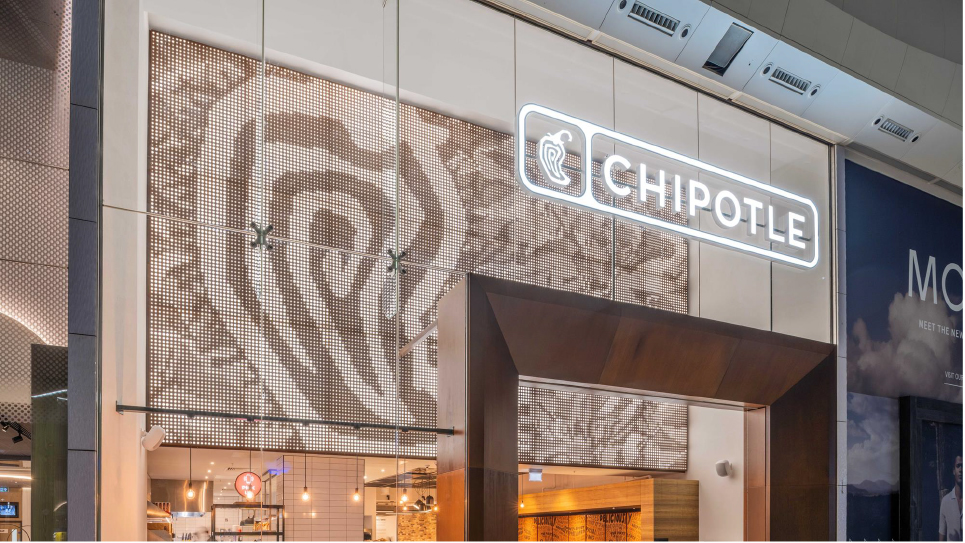
However, as we become more reliant on AI, it will also likely make our lives more transactional. It’s already happening thanks to at-kiosk ordering in QSR restaurants like Black Sheep Coffee, McDonalds, and Itsu, and many others. Or spaces like Bar Tap in Wembley Stadium, where a ‘frictionless’ bar allows people to pick up and pay for a pint without a single moment of human interaction.
Even hotels have embraced the ‘no human contact’ approach, with self-check-in kiosks and app-based room access eliminating front desk interactions entirely. While this may reduce head count and operational costs and does benefit those guests who want something that is functional and transactional, it leads to the question: Could travellers feel less secure, less welcomed, with no visible front of house contact, no human interaction, no hospitality.
As some hospitality activities become more transactional, then ‘true hospitality’ and experience-driven occasions, will become ever more valued.
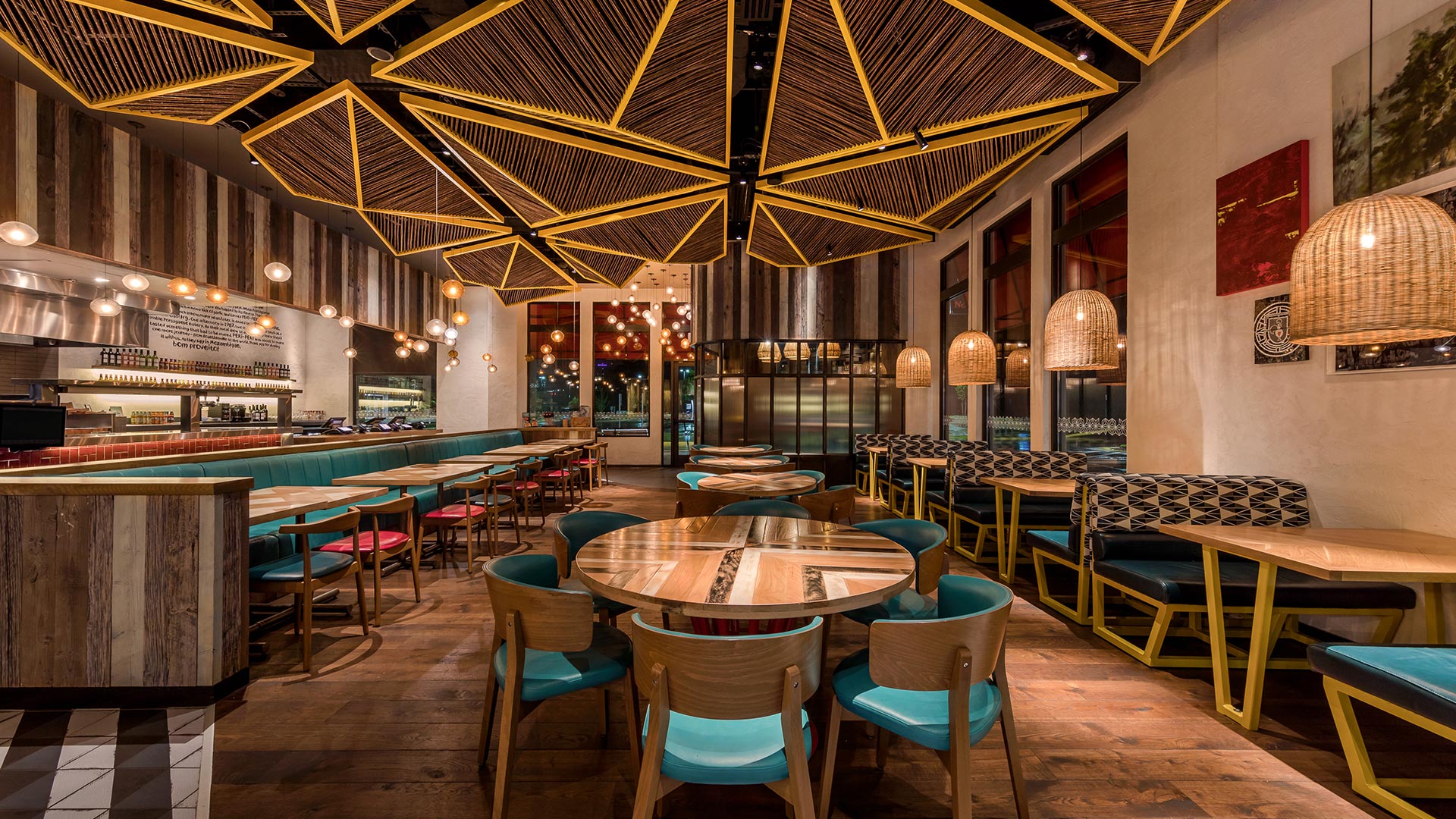
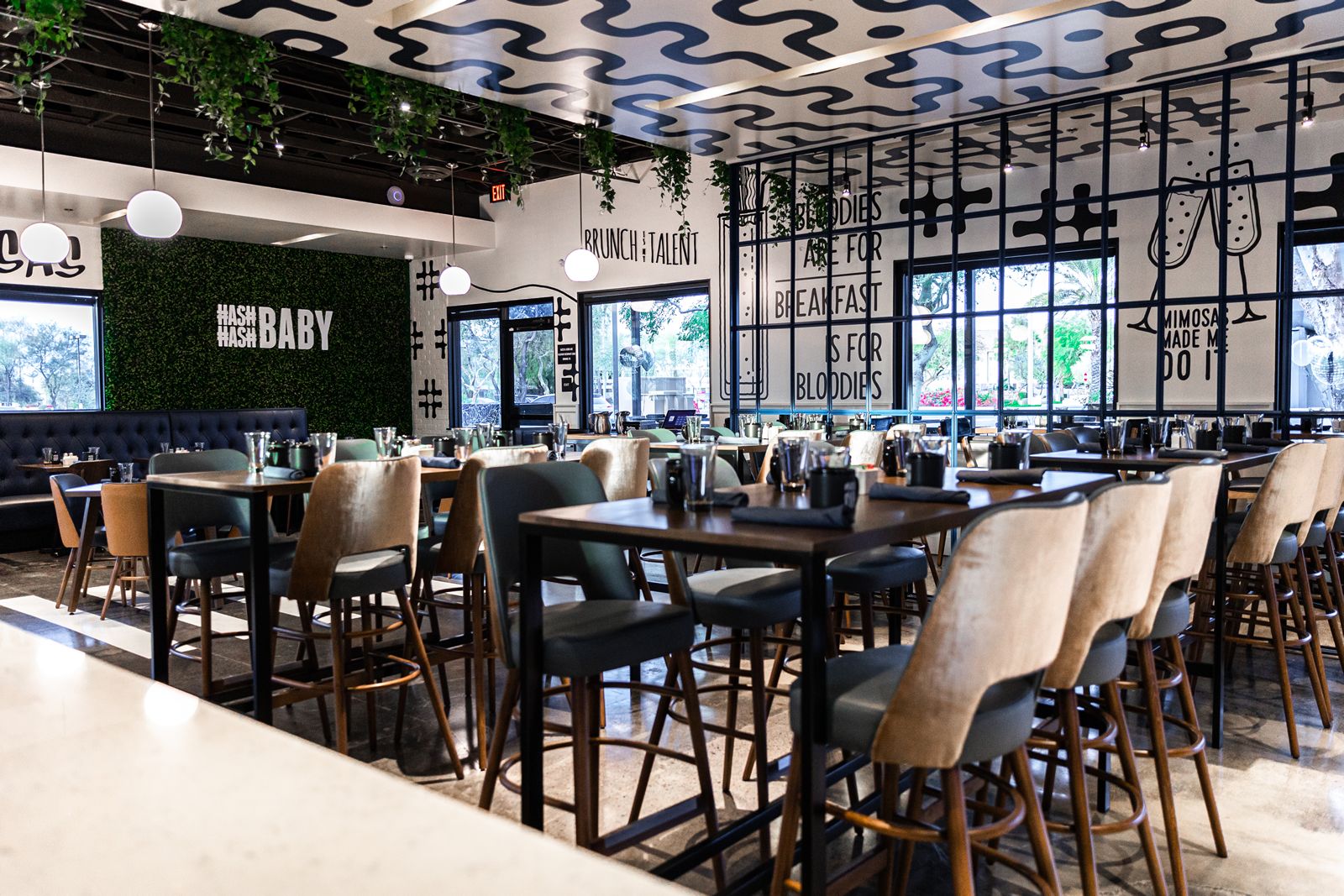
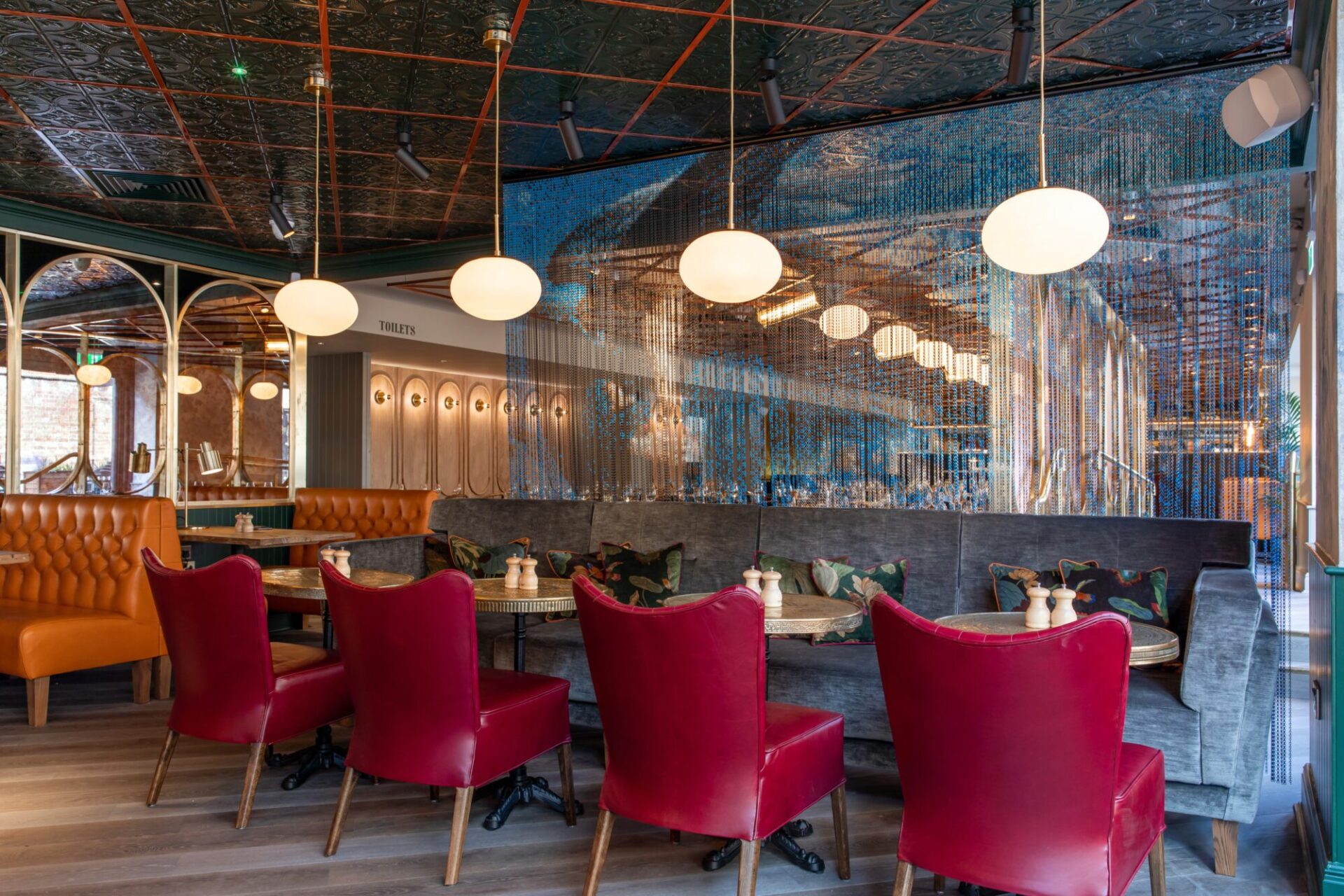
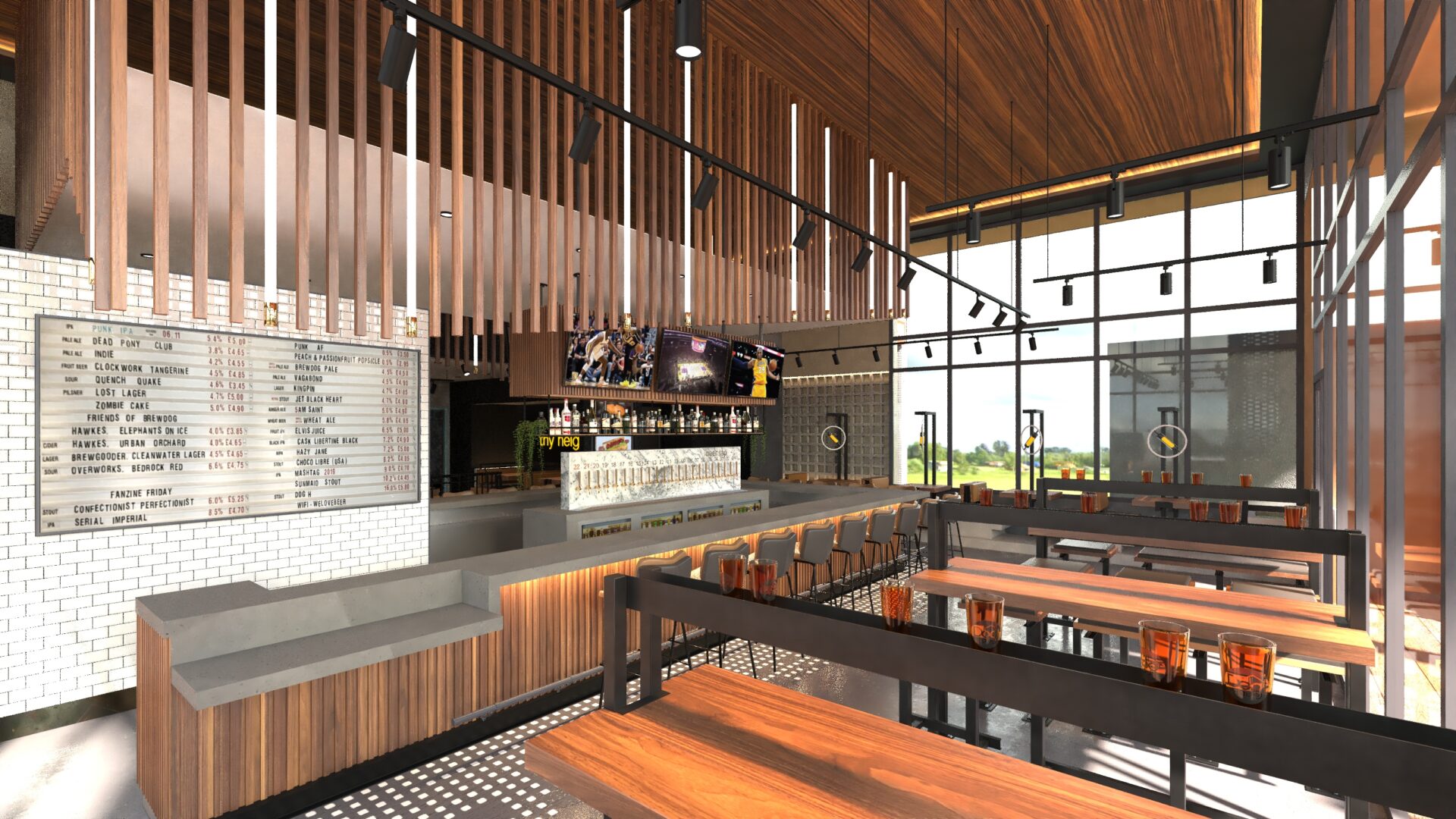
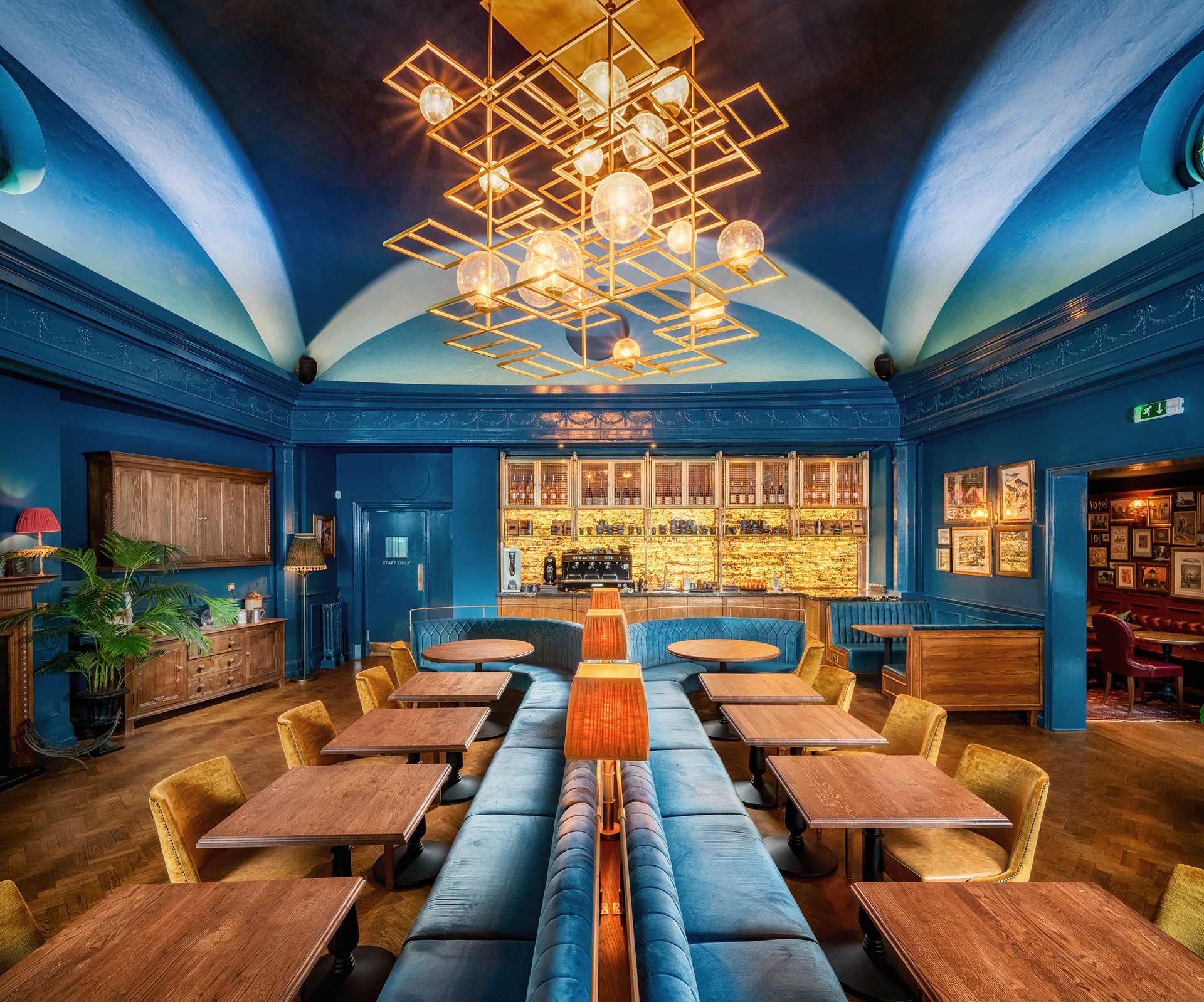
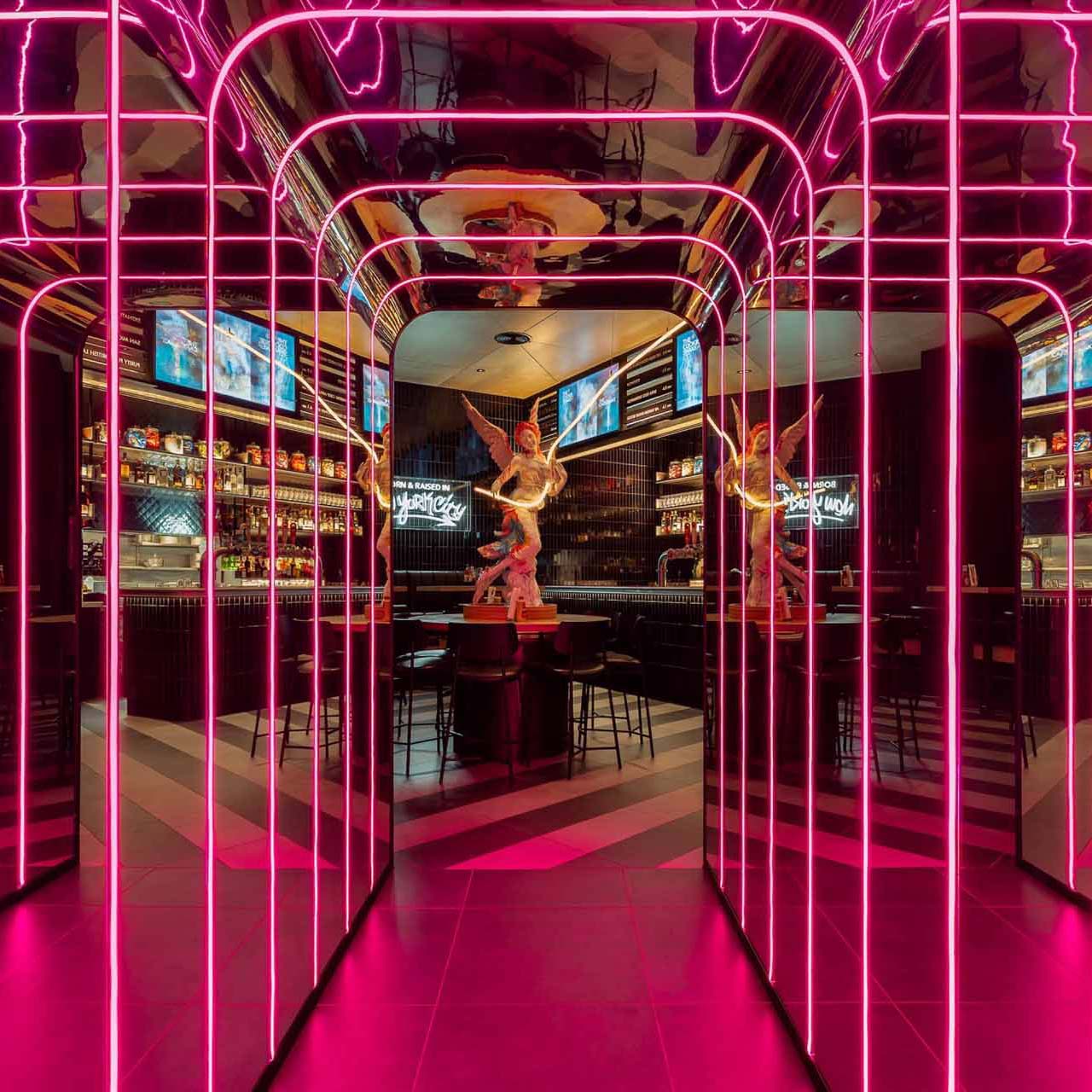
‘Experiential’ hospitality can cover a wide range of different hospitality occasions, from those which offer axe throwing or mini golf or darts where there is another activity sitting alongside the F&B, through to bars and restaurants that simply have an engaging ambience and the guests do the rest. Regardless of what end of the scale the venue, restaurant, hotel, falls on, the human touch is what will truly make the difference. Why? Because our very nature means we are gregarious and crave real, social interactions which can’t be achieved through technology alone. In fact, over reliance on technology takes away from human contact and engagement.
Technology can do many things, but it can’t bring human connection, warmth, or fresh, innovative or original thinking to the table. We need humans for that.
For example, in a restaurant which prides itself on delivering exceptional food we need people –chefs – in the kitchen who have the creativity to look at an ingredient in a new light and experiment with it in order to deliver a new dish.
Take restaurants like Fat Badger, where daily changing menus are driven by what can be bought at market that day. This spontaneous, ingredient-led approach to menu creation is something AI simply cannot replicate. Even if AI could theoretically provide a list of what’s available from local markets on a day-to-day basis, it’s still the human chef who brings those ingredients to life, applying skill, intuition, and creativity that no algorithm can match.
We need people – not robots – as servers and ambassadors who have tried each of the dishes on the menu to be able to make a personal recommendation based on a conversation, not just a selection of datapoints. And the sommelier who has taken the time to understand how the complexities of different dishes and the wines pair together, potentially finding a match which on paper shouldn’t work, but does – I grant you, this last point could potentially come under pressure as AI gets smarter, but another important strand of human contact would be lost and the experience would be diminished as a result.
Human interactions will increasingly be facilitated from within our leisure and hospitality spaces.
Scott Malkin, founder and chairman of Value Retail which owns The Bicester Village Shopping Collection, said recently in an article that the more the internet and AI dominate our lives, the more important it is to offer great service at bricks-and-mortar stores. “No consumer enjoys online shopping and if you’re a fashion brand, every sale you make online commoditises and diminishes your reputation. Your brand is just another mouse-click. The emotional side of life is more important than ever.”
This sentiment is being echoed by consumers themselves. Recent data suggests that Gen X, in particular, is increasingly seeking out experiences and human contact in retail environments – a direct counter-response to the reduction of these elements through online ‘click’ shopping. This generational shift towards valuing in-person experiences over transactional convenience signals a broader cultural recalibration of what we truly value.
It is the same for hospitality. While some transactional occasions can perfectly adequately be served by technology driven solutions, our hospitality venues will increasingly be relied on as spaces to facilitate human interaction. This is why it is so important that hospitality and leisure get the support and nurture to grow. Dare I say that these spaces are important to the wellbeing of society. It’s not a new idea, its just one that is currently under assault.