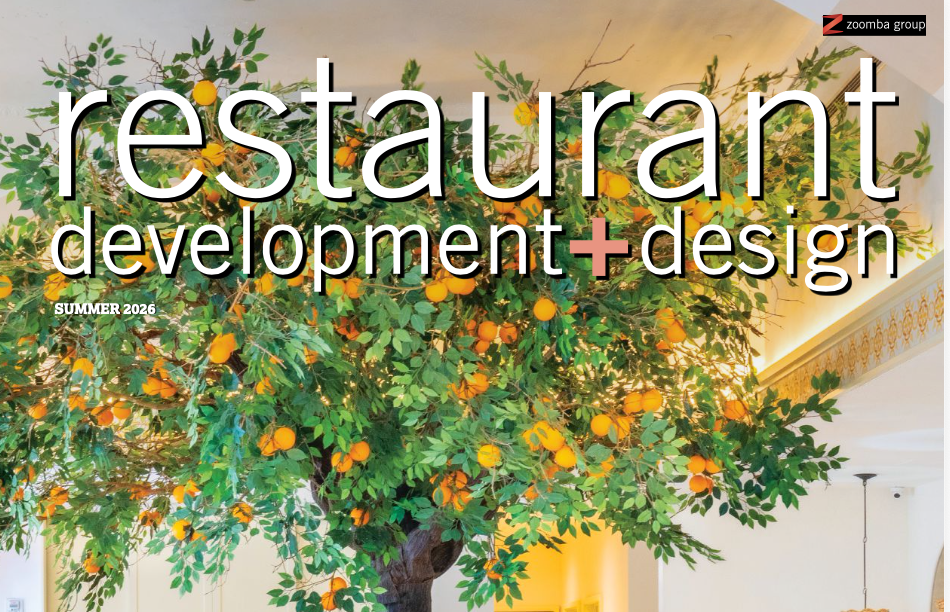
Sarah Jenkinson, our Design Director at our Dallas office has recently shared her insights on creating compelling stories for hospitality brands in a US publication Restaurant News.
- Author Richard Samarasinghe
There is nothing like a great experience. Our lives are built around them, and the better the story, the more involved people become. Restaurant brands have the same objective because their success is all about the customer journey narrative.
There are a multitude of factors and influences, whether it is the history, food fusion or cultural significance, that play into a restaurant brand’s story.
What is storytelling in restaurant design?
Storytelling in restaurant design means translating a brand’s history, values and personality into the physical space, so guests feel the story rather than read it. It shapes the layout, materials, lighting and sound, as well as the menus, uniforms and service.
Done well, guests rarely notice any single detail on its own. They simply leave knowing exactly who the brand is, and wanting to come back.
Finding and shaping that story sits at the heart of our [link: restaurant branding service page] work, long before a single wall is designed.
Why storytelling matters for restaurant brands
When a brand engages its guests, it helps guests start to fall in love with everything the restaurant brand does. Designing one-off restaurants or multi-chain brands to make them part of the fabric of peoples’ lives is no easy task.
What makes a restaurant unique, what gives it a competitive edge and how the brand wants to grow are all part of how we identify the solution. We need all of those subliminal qualities to be make sure our design is just right.
A clear story also gives every future decision a reference point. When a new site opens, a menu changes or a refurbishment comes round, the story tells the team what fits and what doesn’t. That’s what allows a brand to grow through brand evolution without losing its identity. For a closer look at the principles behind it, see our guide to what brand storytelling is and the dos and don’ts.
What makes a restaurant unique, what gives it a competitive edge and how the brand wants to grow are all part of how we identify the solution. We need all of those subliminal qualities to make sure our design is just right.
Stories change how guests judge an experience, not just how they remember it:
- Guests stop evaluating and start experiencing. Once drawn into a story, they focus less on critiquing each detail and more on how the whole visit feels.
- Meaning raises perceived value. A dish, a room or a material with a known origin feels worth more than an anonymous one.
- Stories get retold; facts don’t. Nobody passes on a spec sheet, but they do pass on the story behind a space.
Storytelling vs theming in restaurant design
Theming applies a look to a space. Storytelling builds the space from something true about the brand. A themed restaurant can feel like a film set: impressive on the first visit, tired by the third. A story-led restaurant reveals more each time, through layers of bold moments and quieter details that regulars discover over repeat visits.
How the customer journey tells your restaurant’s story
Fundamentally, the food has to go above and beyond tasty. Then, we come in to help maximise the guest journey, which starts not just at the door.
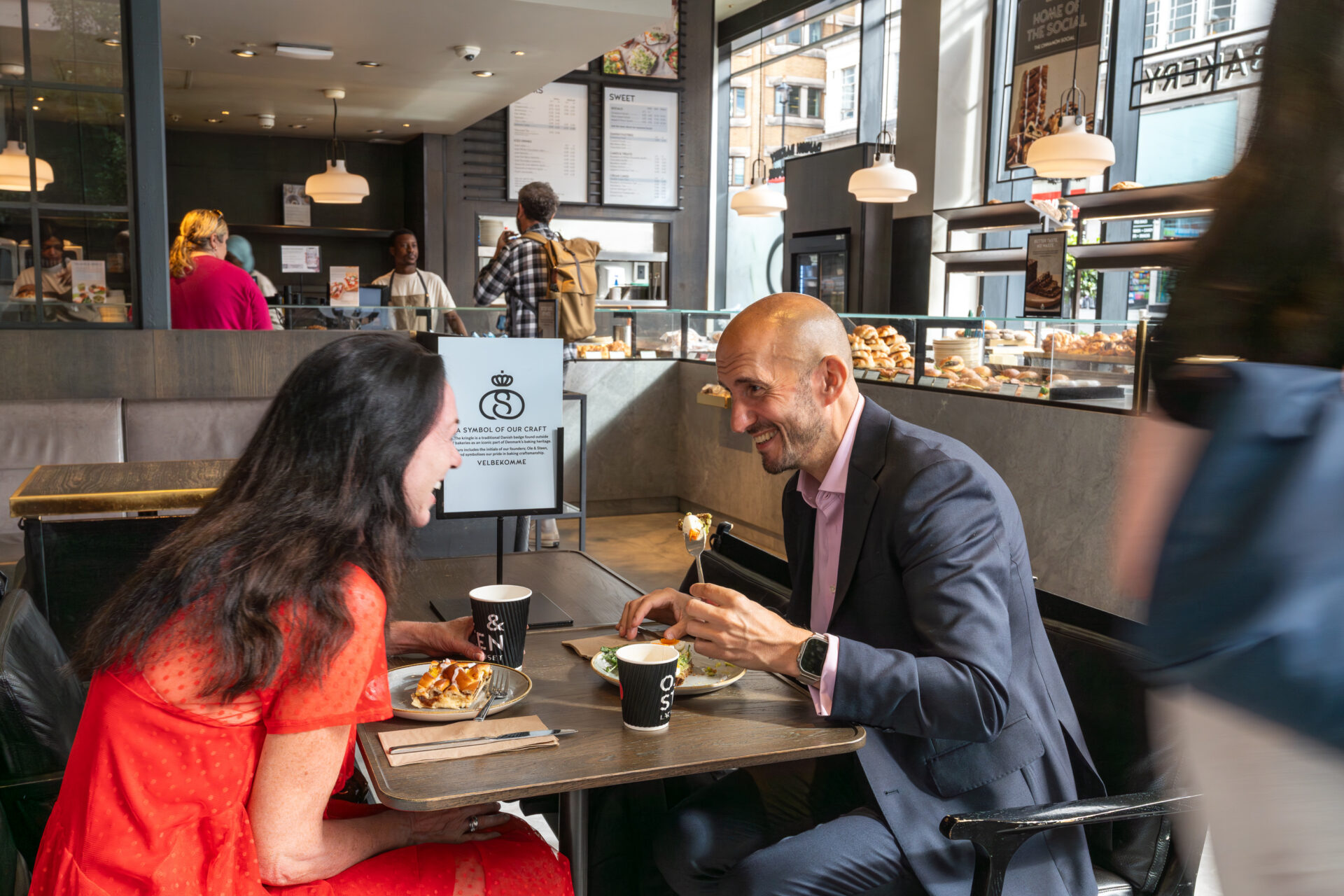
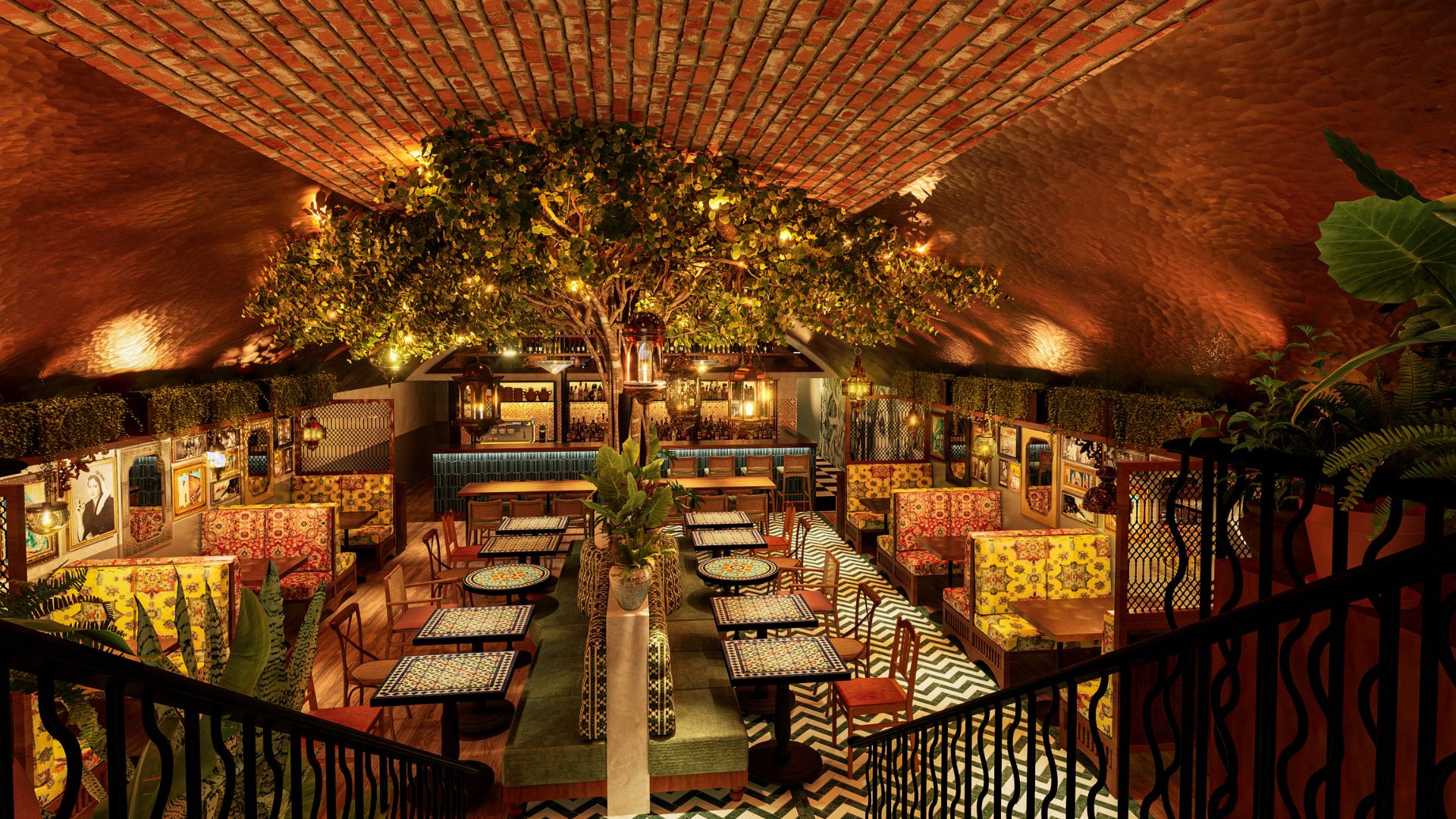
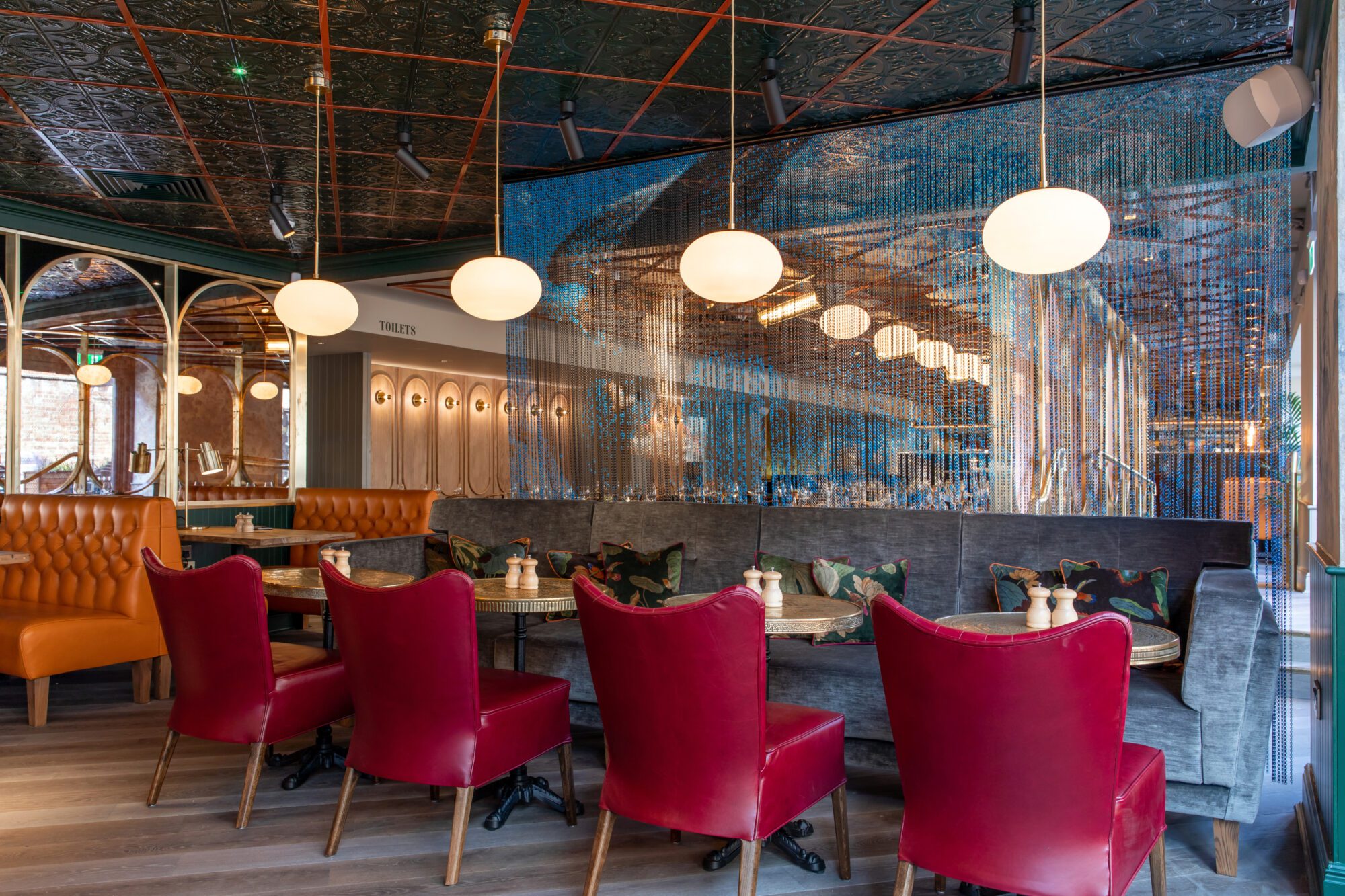
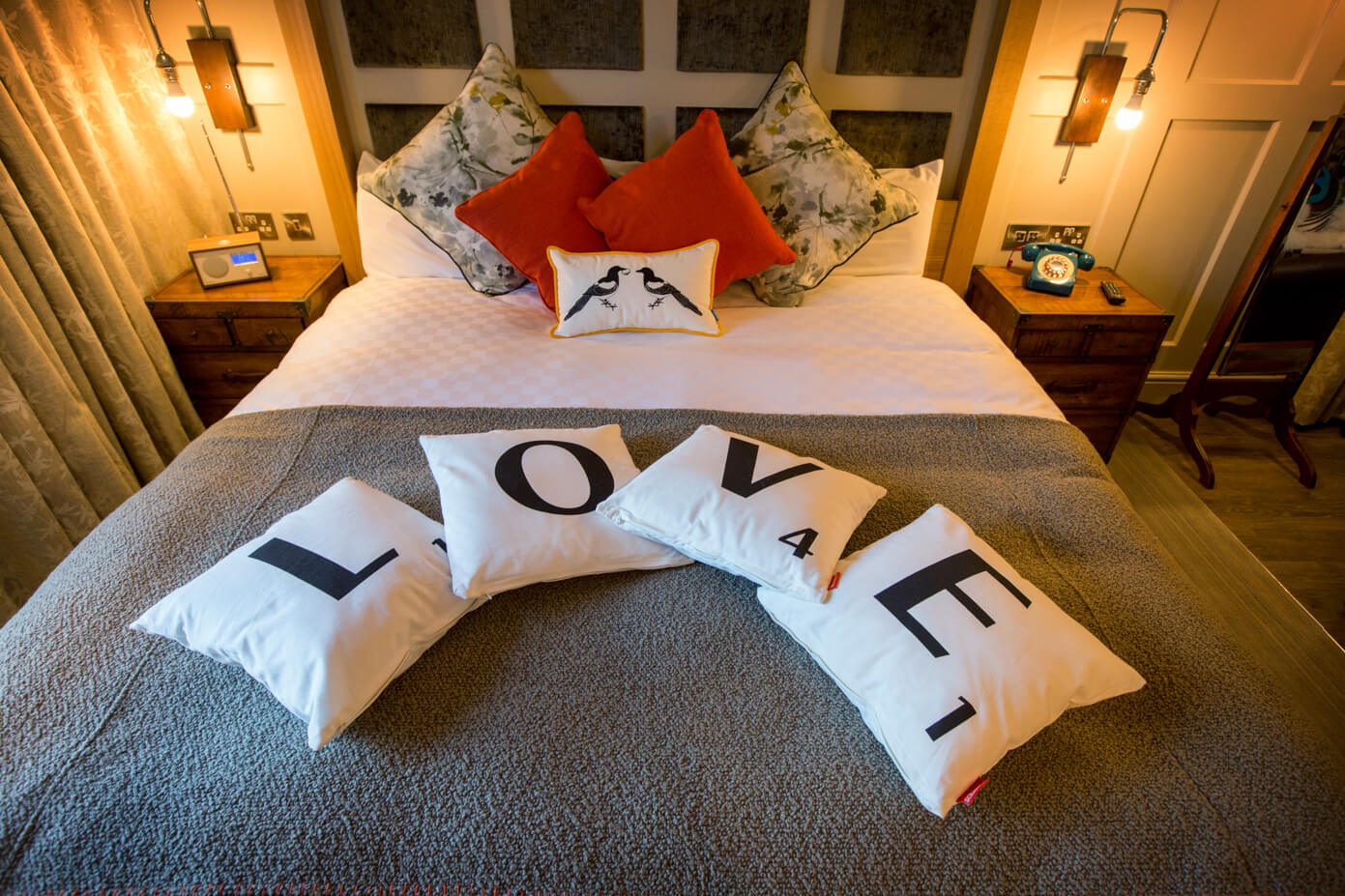
The customer journey is what everyone sees and touches to create a sense of place. Whether the details are big or small, we convey a narrative in everything the guest experiences, from moments like walking to your table and seeing the seats you sit on, smelling the aroma of the brand’s food and drink, hearing music being played and people talking to noticing how the napkins are folded on the table, the weight of the cutlery and how the food is served, everything matters.
Restaurant interior design touchpoints that tell the story
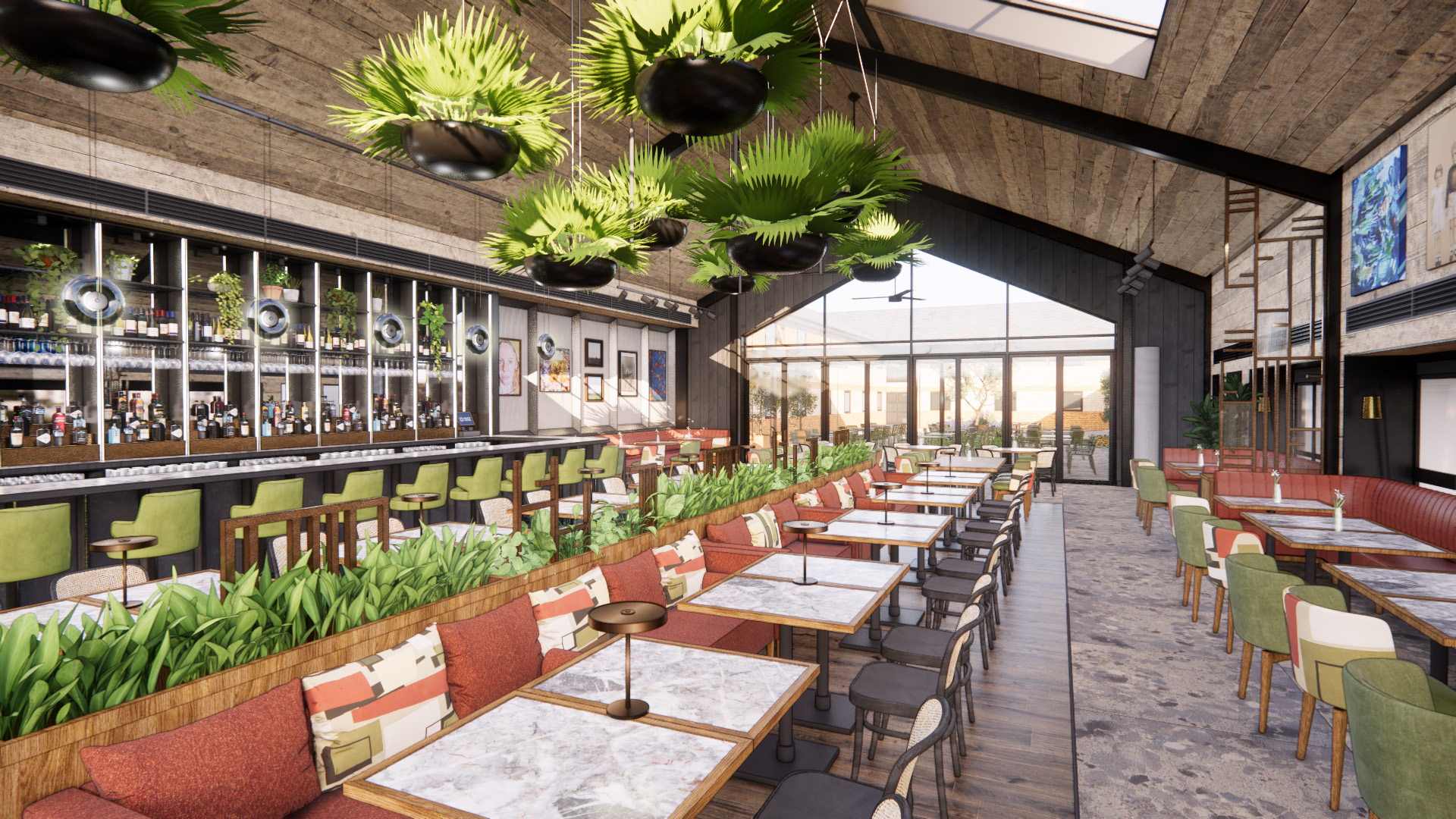
Every part of a restaurant’s interior design is a chance to tell the story:
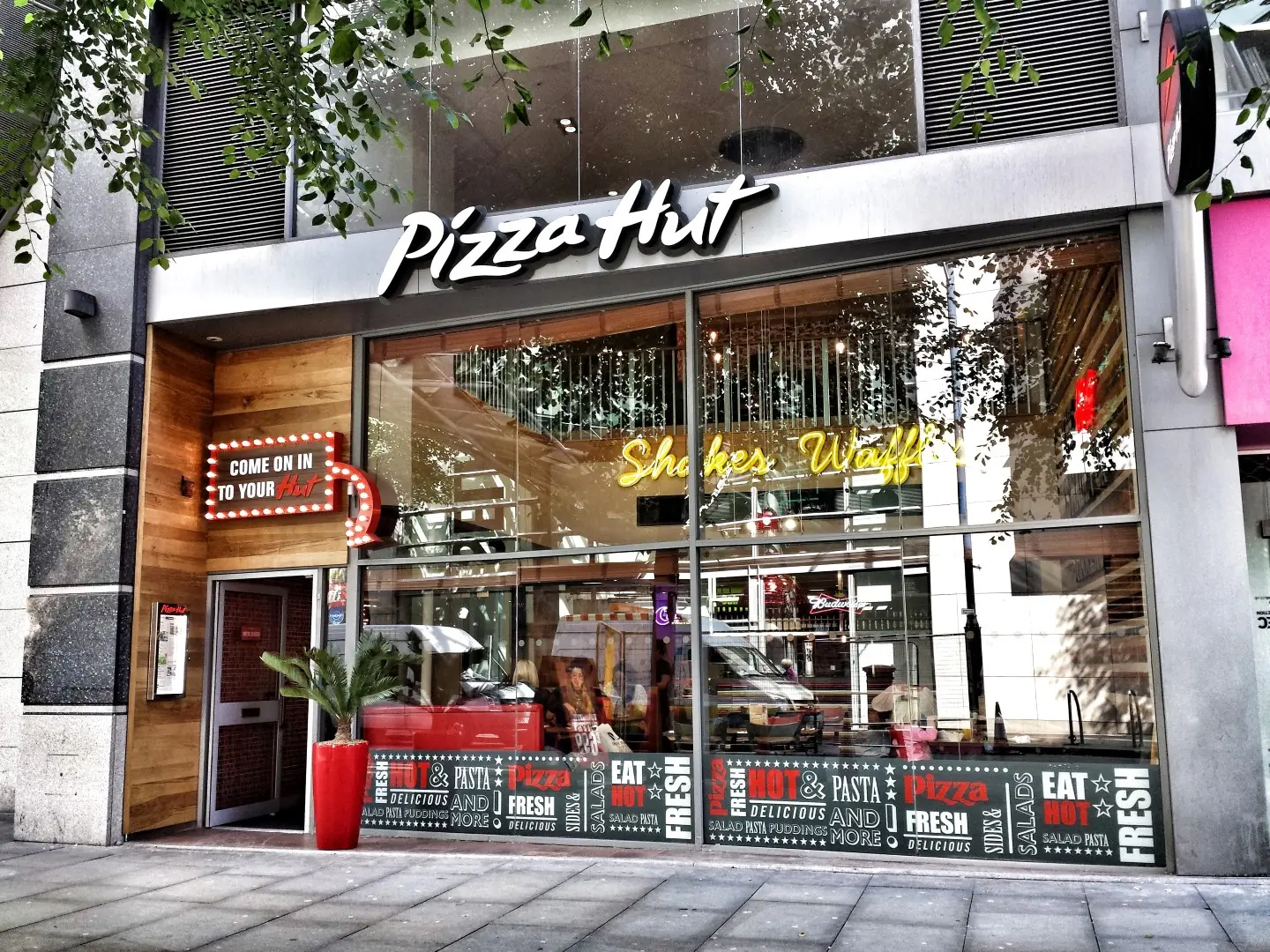
- Arrival: the shopfront, signage and the first view of the room.
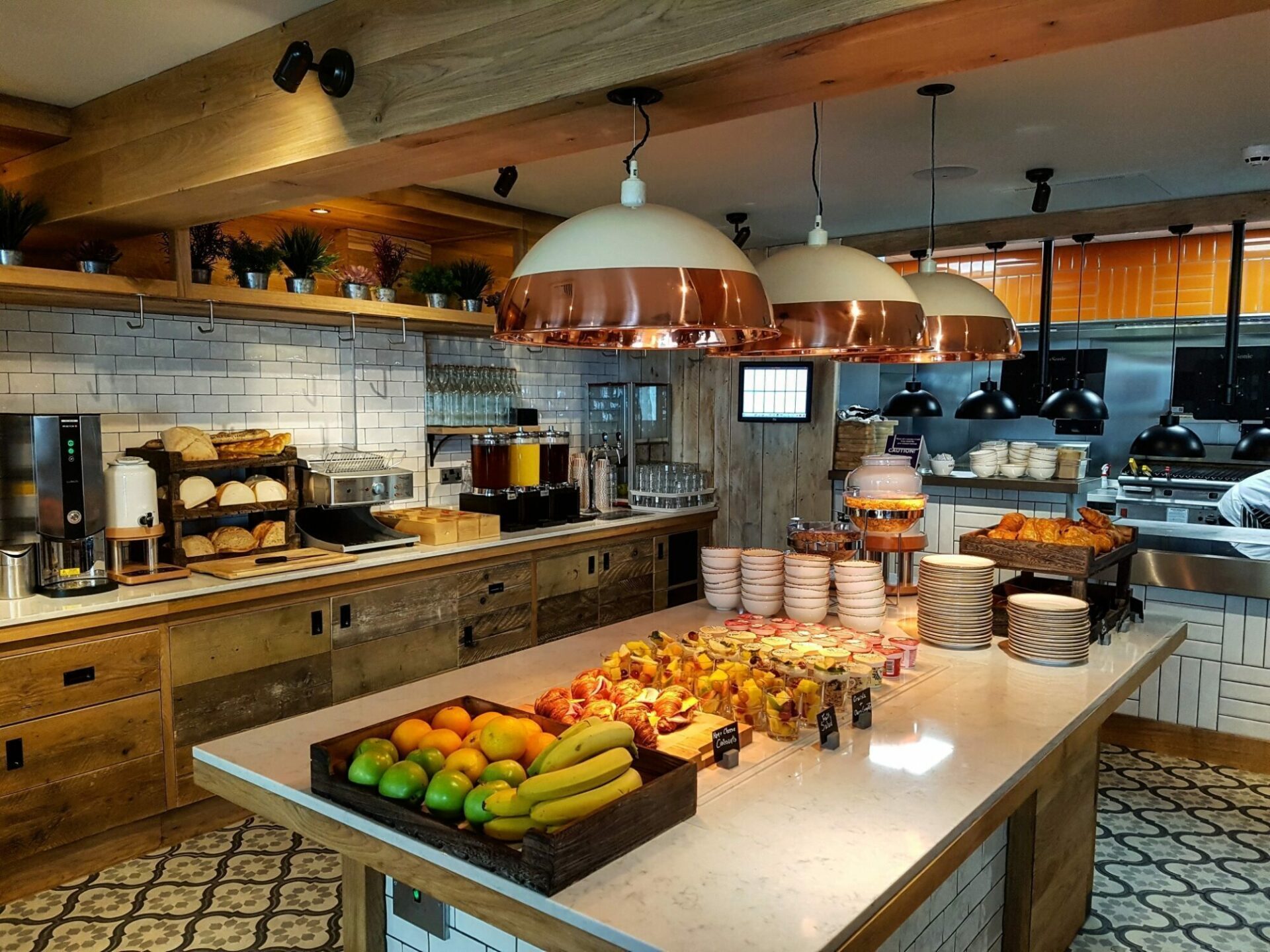
- The room: layout, materials, colour, lighting and acoustics.
- The table: furniture, tableware, cutlery and the menu itself.
- The people: uniforms, service style and how staff talk about the food.
- The senses: music, scent from the kitchen and bar, and the overall atmosphere.
What makes a strong restaurant brand story?
Ethics and brands’ behaviours are now even more of a priority on the consumer’s mind. We have to reflect the brand accurately to create the perfect narrative that resonates with who the brand is and what it offers. This is part of what makes any brand stand out from the rest and brings people back for more.
The strongest restaurant brand stories are:
- Authentic: rooted in something real, whether that’s the founders, the cuisine’s origins or the neighbourhood.
- Specific: detailed enough to brief a designer, a chef and a server alike.
- Distinctive: clearly different from the brands next door.
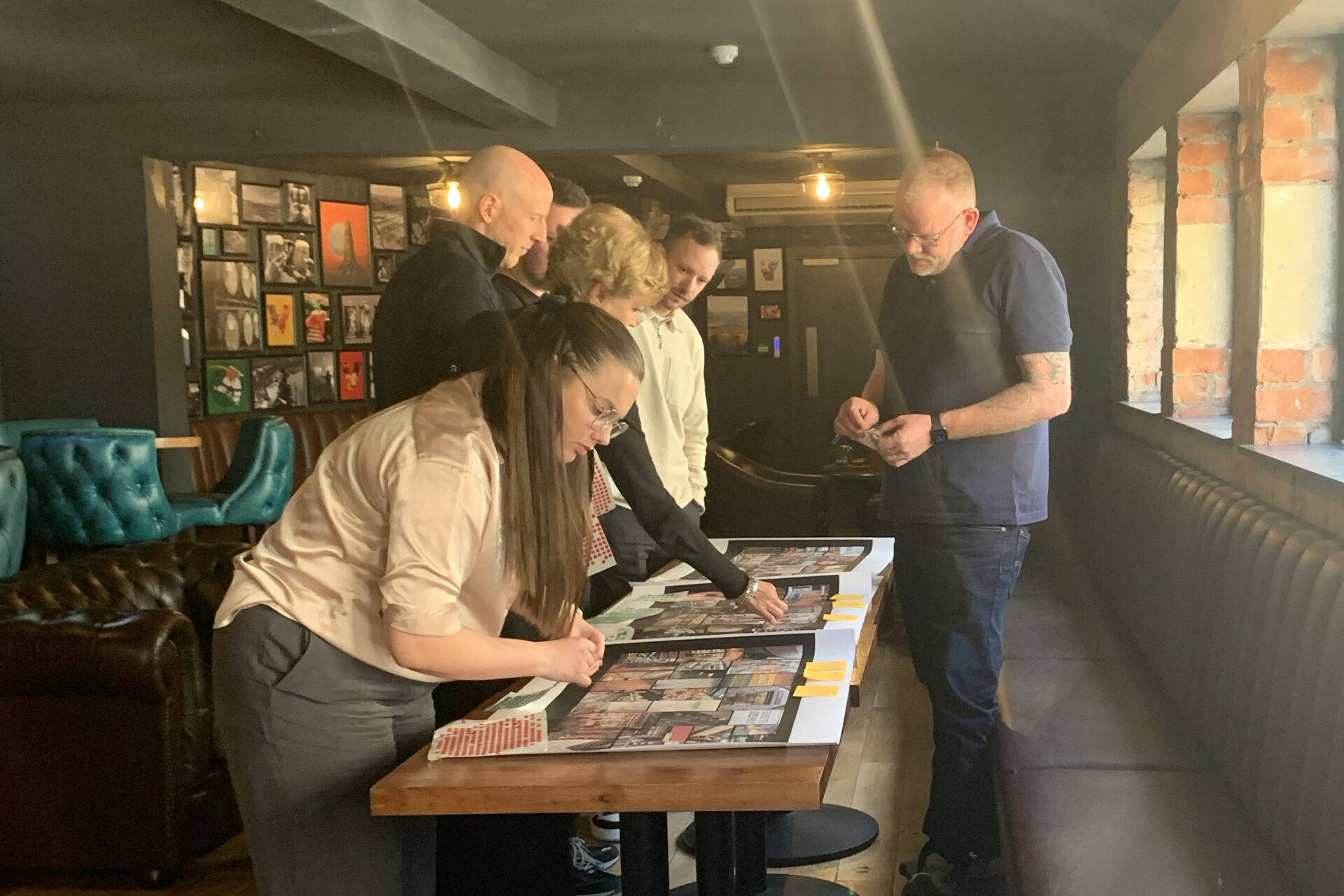
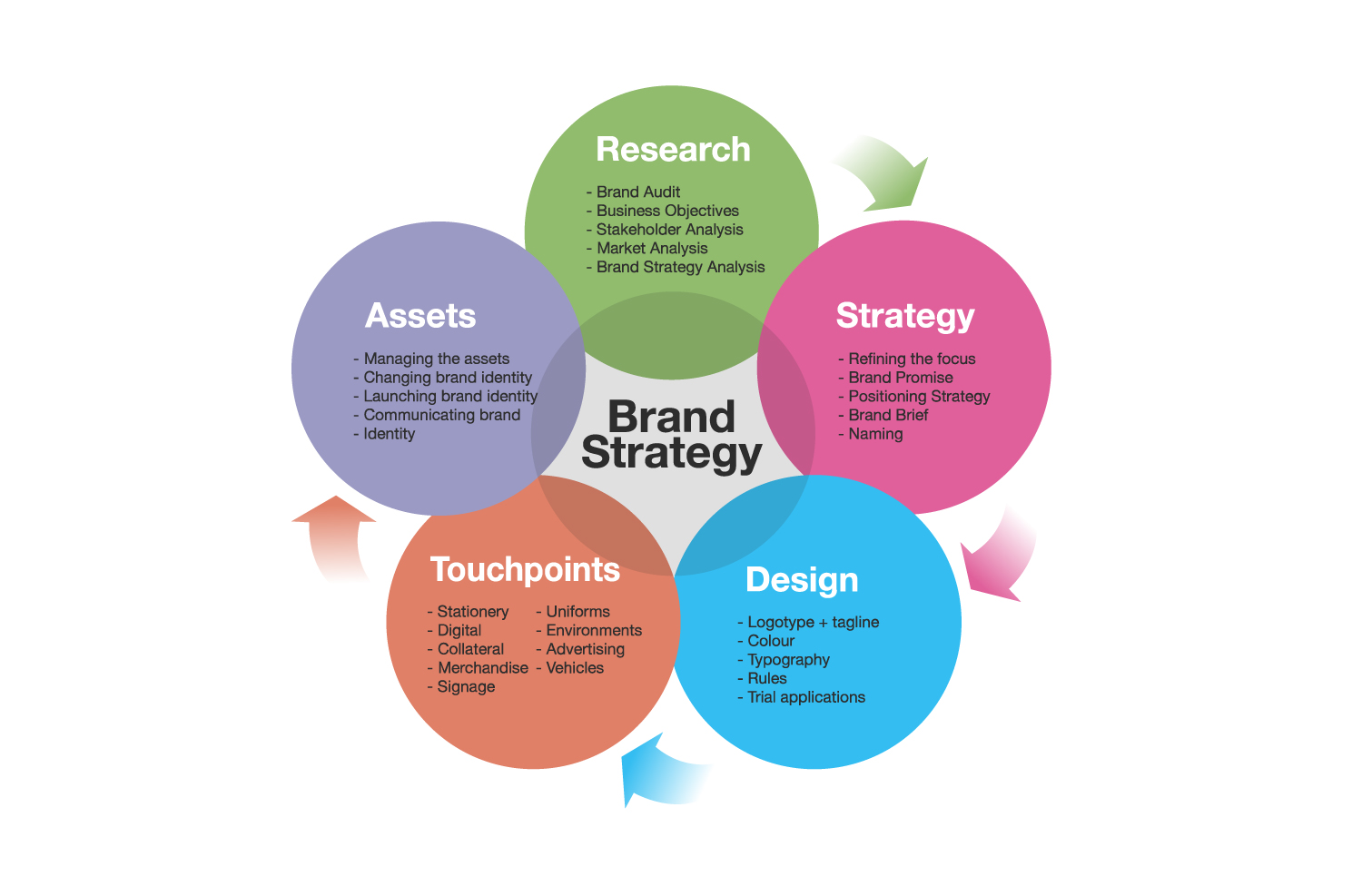
We must understand the finer points that give the discovery and strategy phase of the brand depth.
While it may seem obvious, many new startups, incubator brands and even long-established brands omit this stage as they get caught up in the day-to-day minutiae of operating their business.
Where to find your restaurant’s story
Most strong brands draw on two or three of these sources:
- The origin: why the restaurant exists and who founded it.
- The people: the chef, the founders and the team.
- The food and its provenance: ingredients, suppliers and cooking traditions.
- The place: the neighbourhood, its history and the local community.
- The building: a former station, bank or warehouse often hands you a story before design starts.
Restaurant storytelling examples
Buttercup Love Me Tenders
For example, we have recently been working with FB Society on Buttercup Love Me Tenders, a quirky brand that serves chicken tenders in cones.
The concept takes an unconventional approach to classic comfort food that embraces global influences and encourages flavour exploration. The unique brand has a fun sense of humour and needed to be envisaged correctly to be successful. As we crafted the Buttercup concept from the ground up, we had to analyse how the brand experience would be for its guests to appropriately bring it to life.
Playing with food is encouraged, so our design had to be equally as fun and playful. The restaurant stall was designed to resemble a traditional shed and chicken coop and even the logo and font choices reflect that lively energy.
Fogo de Chão
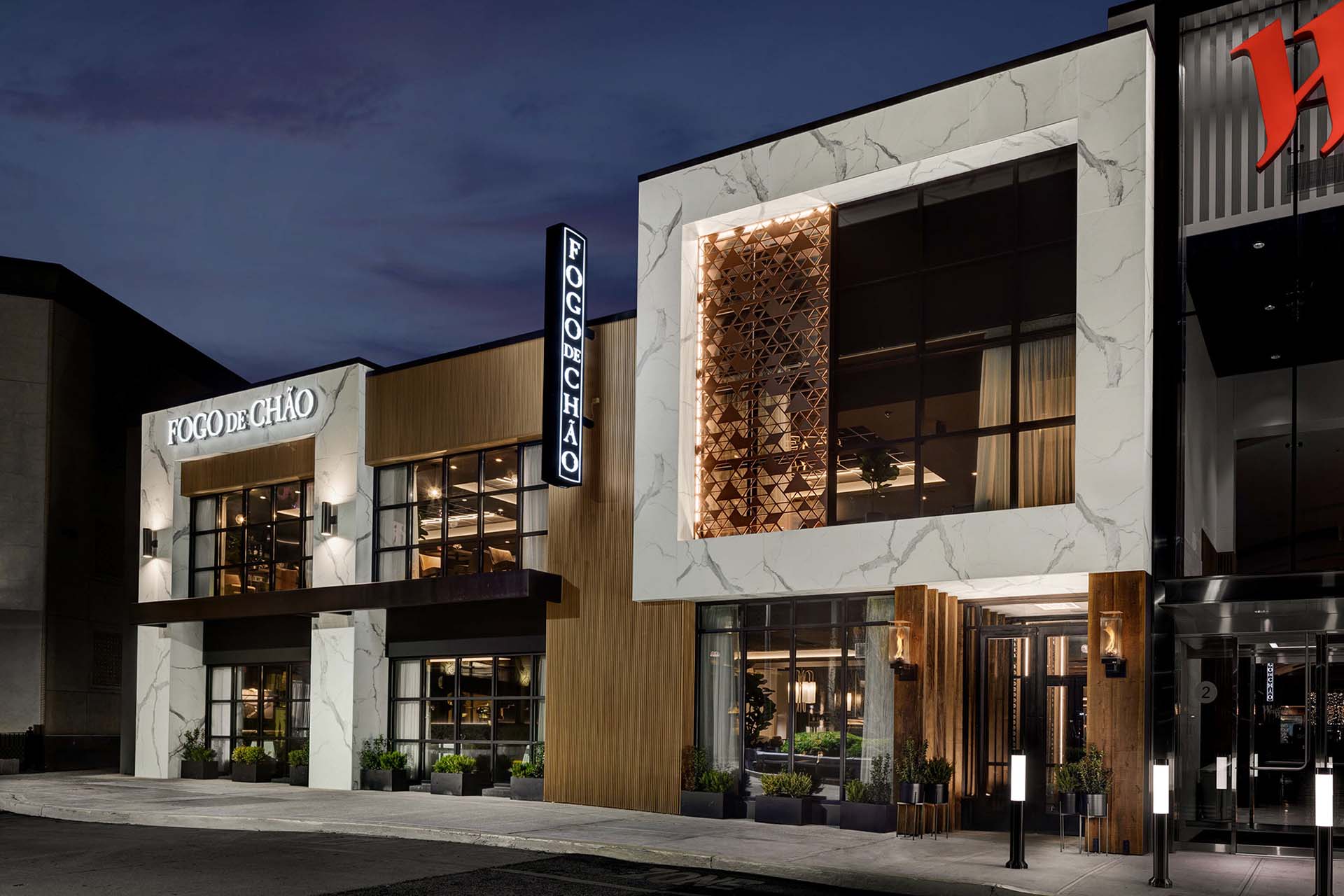
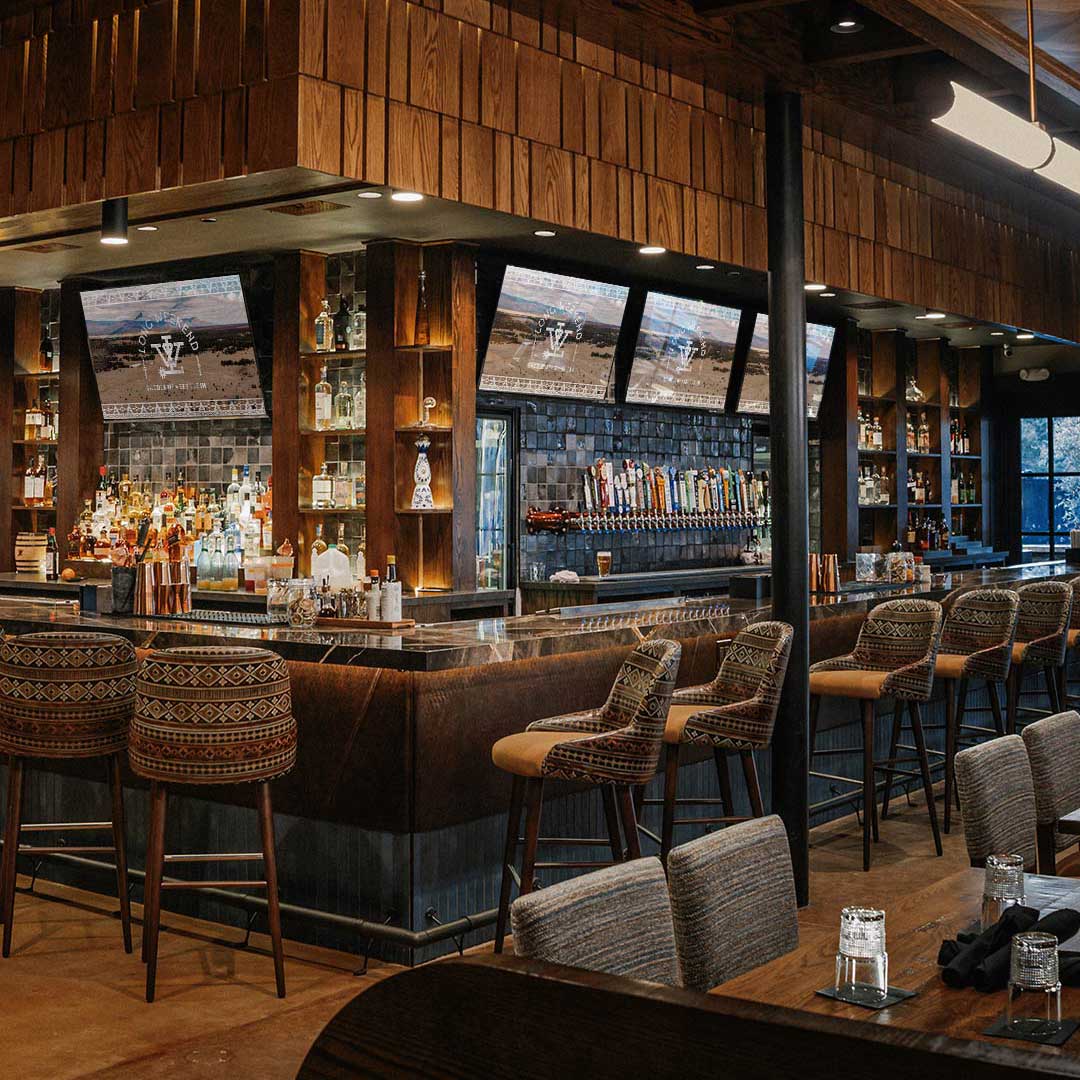
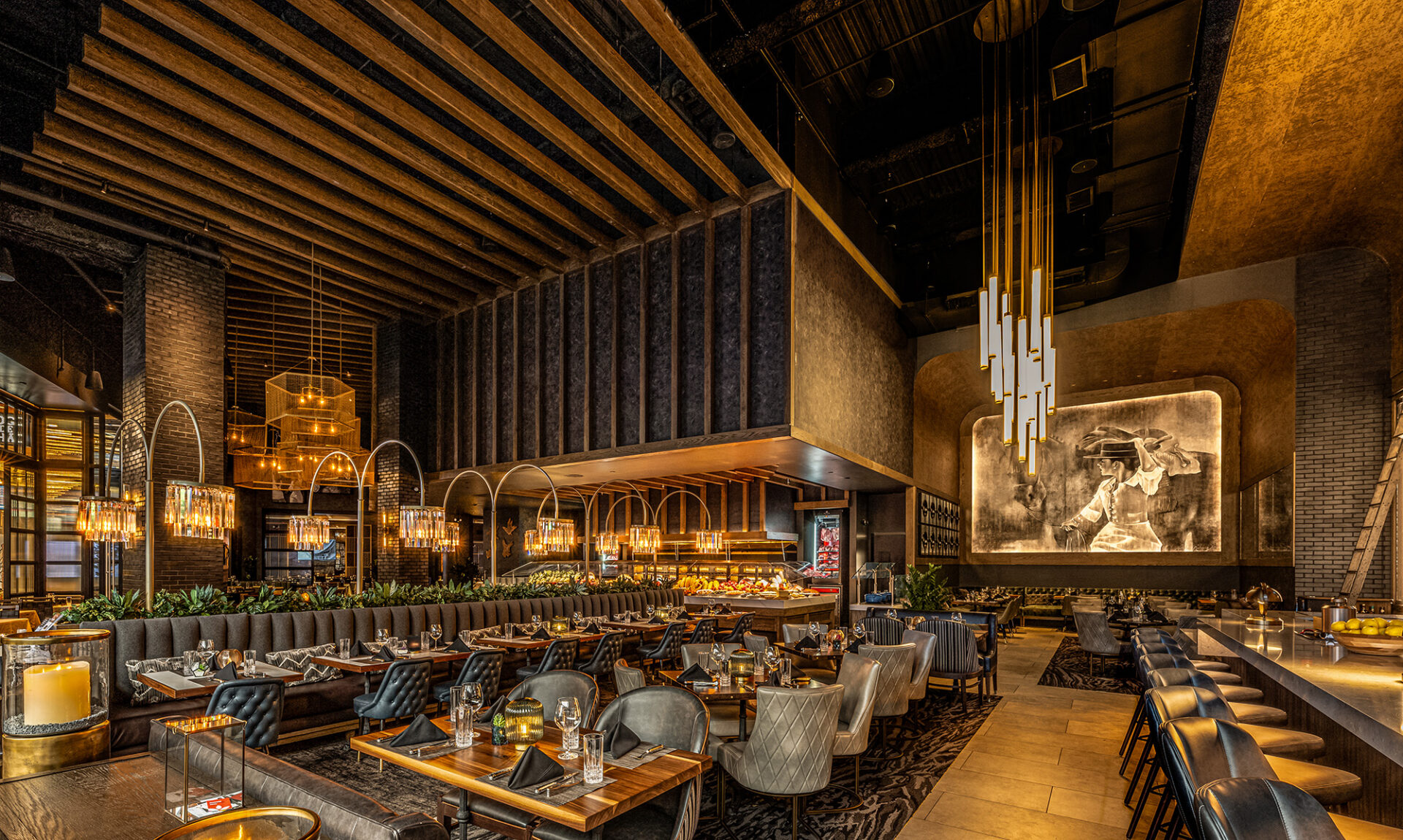
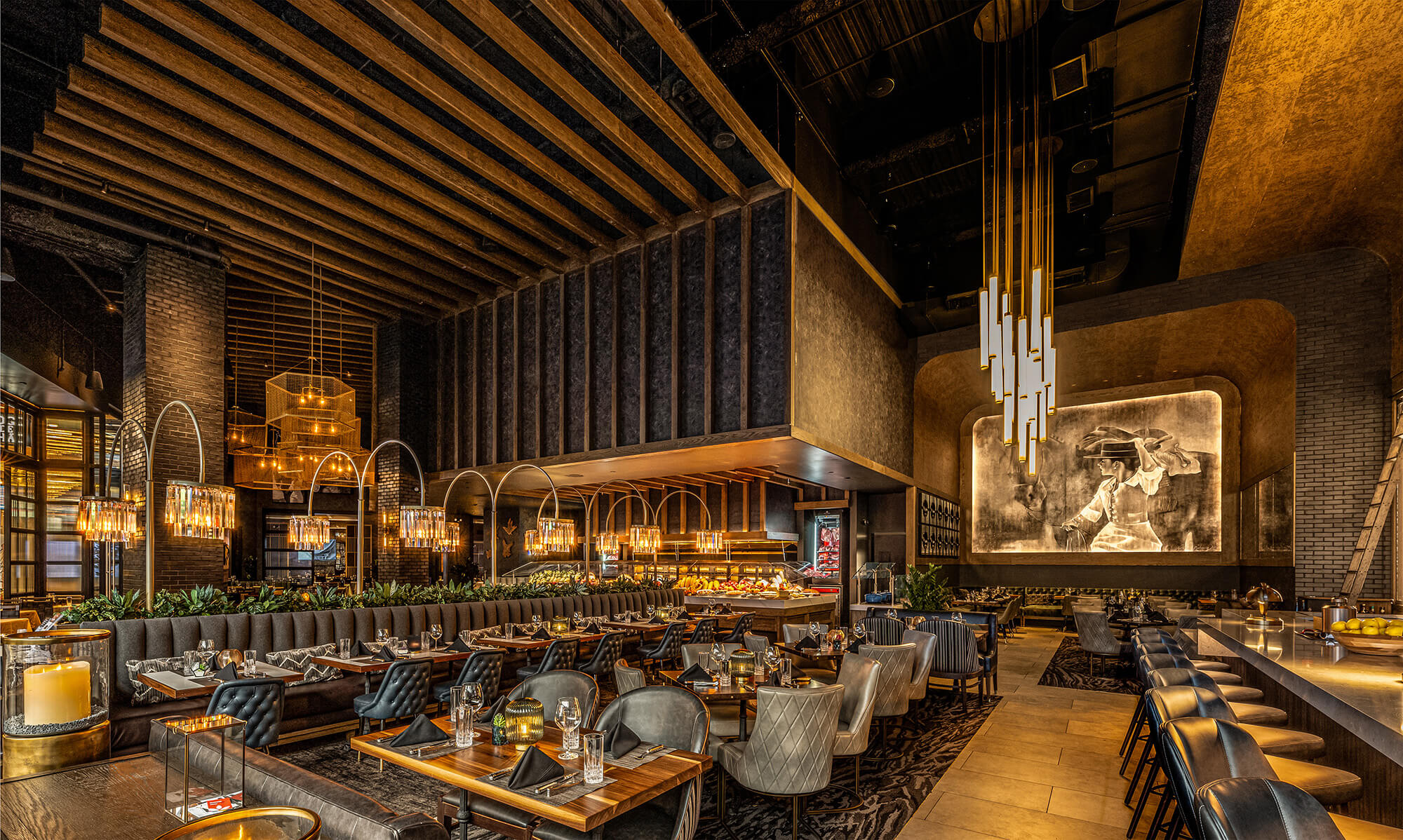
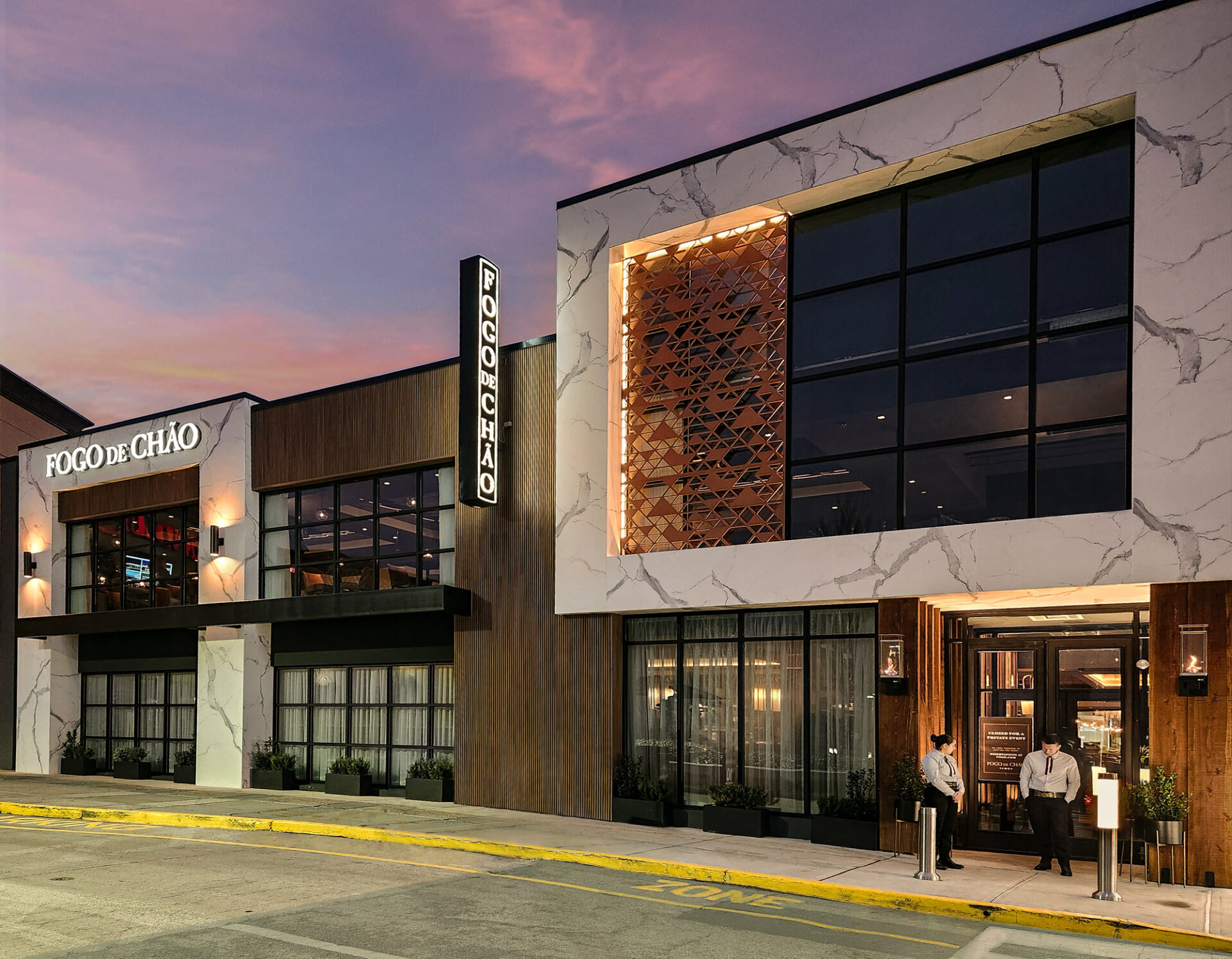
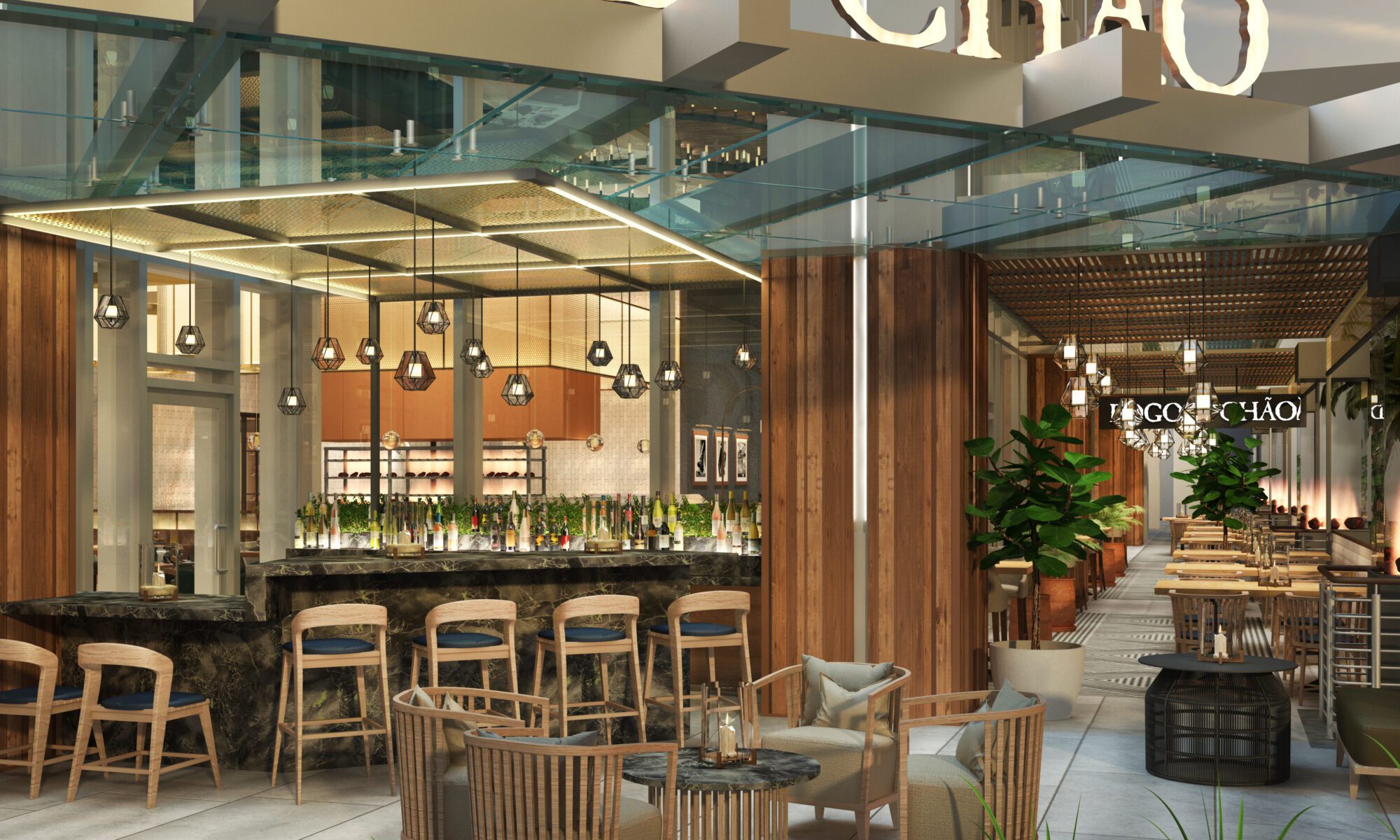
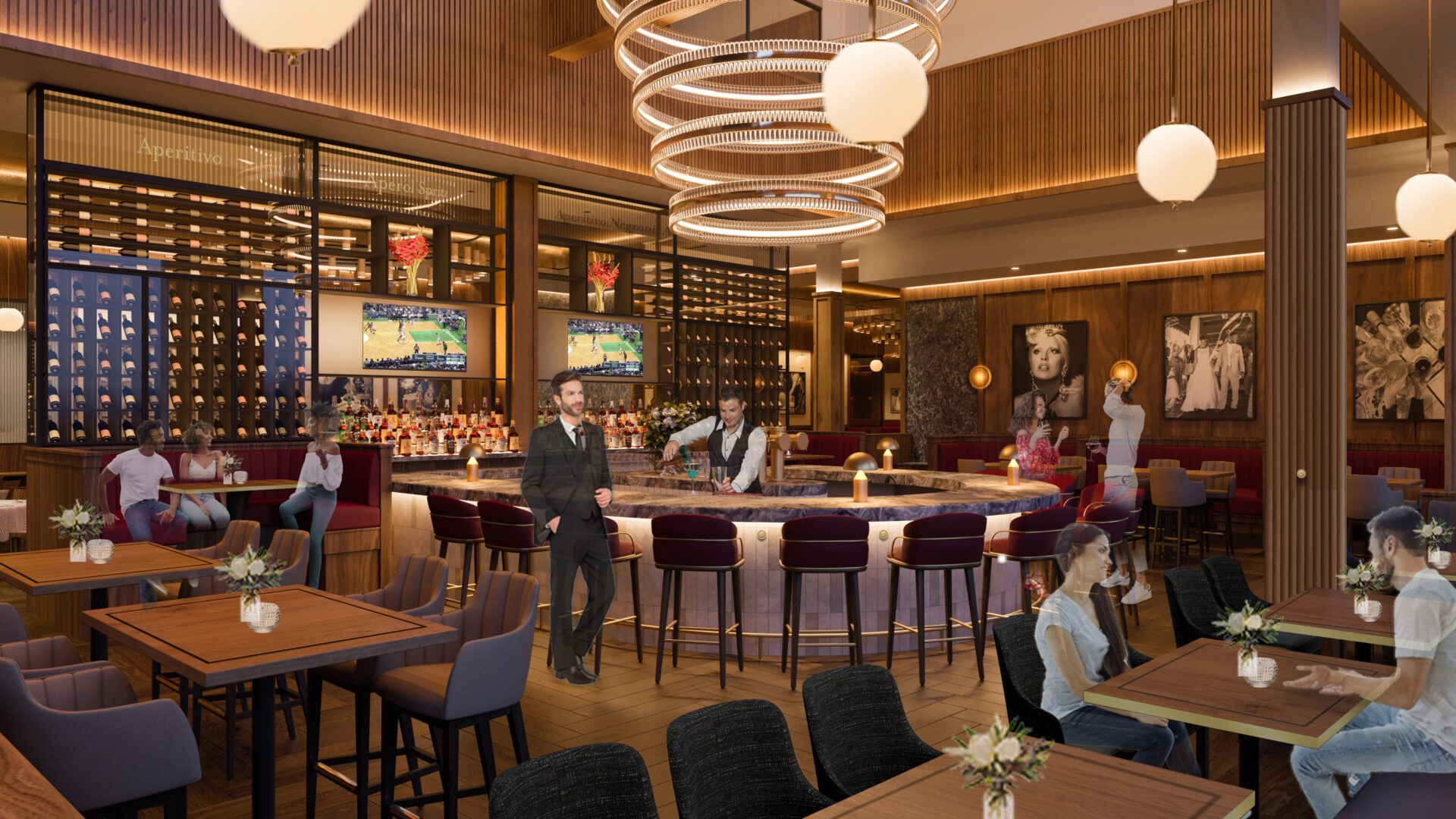
Fogo de Chão is known for its Brazilian heritage and warm hospitality. We were determined to help this brand show its Southern Brazilian roots in every step of the guest’s journey with new design elements.
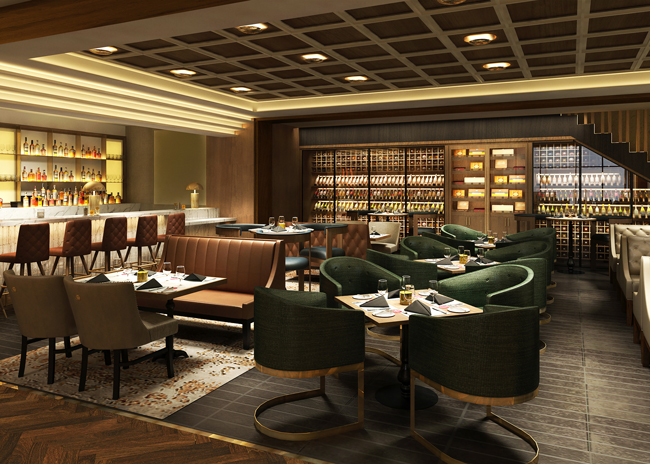
We started by creating a timeless, sophisticated and welcoming environment within the restaurant using deep accent colours and rich upholstery textures.
From the moment guests arrive, they will enjoy an experience that allows them to discover something new with every bite. Founded in Southern Brazil in 1979, Fogo elevates the centuries-old cooking technique of churrasco, the art of roasting high-quality cuts of meat over an open flame, into a cultural dining experience of discovery.
Whether guests are celebrating an occasion with family or enjoying a date night in the Next Level Lounge, the restaurant’s design aesthetic tells the Fogo story through every touchpoint.
Restaurant story design: how to tell your story in six steps
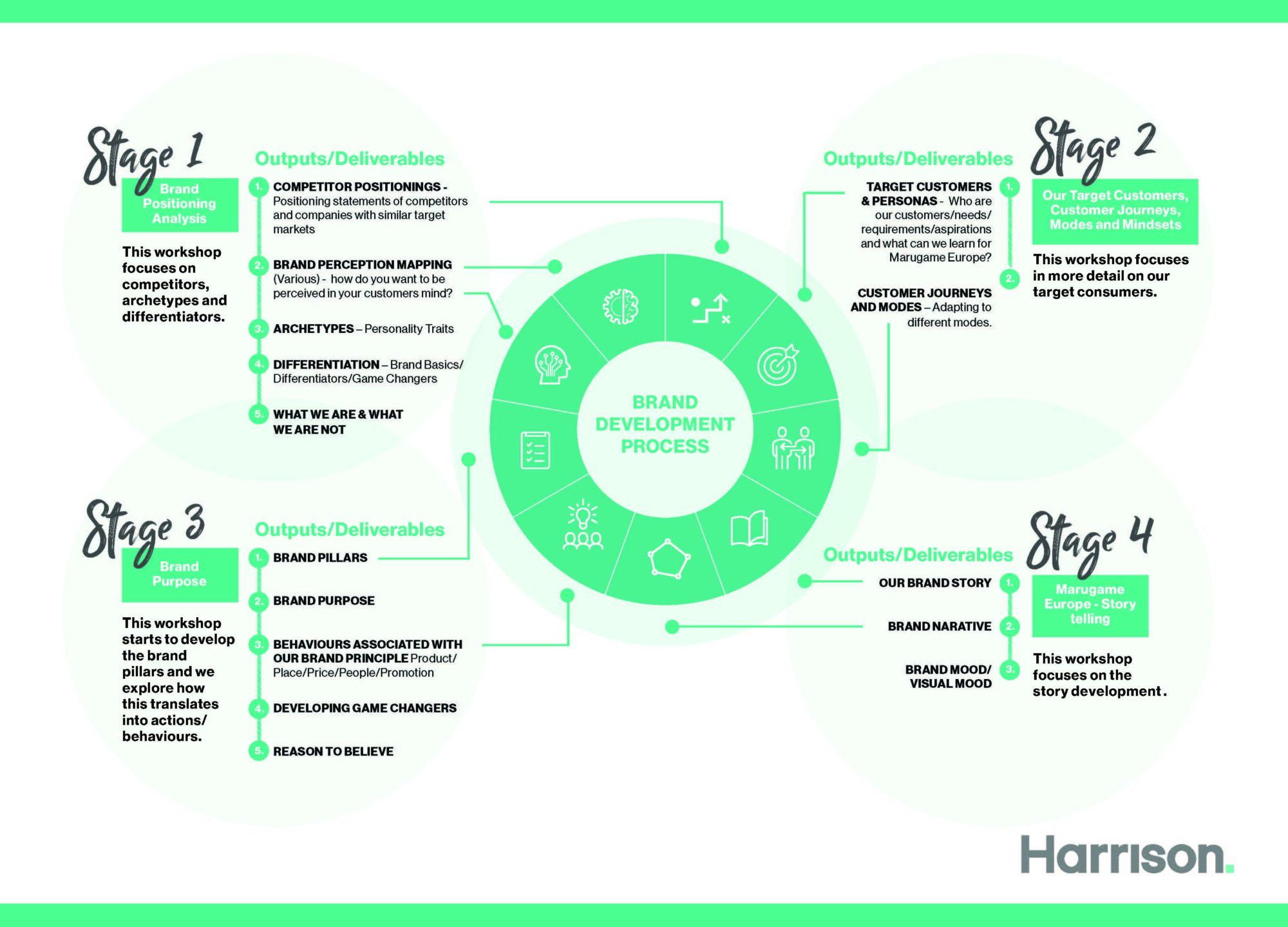
- Start with discovery and strategy. Research the brand’s history, food, founders, guests and ambitions before anything is sketched.
- Write the story down. Distil it into a short narrative the whole team can design against.
- Map the guest journey. List every touchpoint, from the first search to the walk home, and decide what each should say.
- Design the brand and interior together. When restaurant branding and interior teams work side by side, the logo, menu, materials and layout speak with one voice.
- Bring the team into the story. Uniforms, training and service style should carry it as much as the walls do.
- Revisit it as you grow. Review the story at each new site or refurbishment so the brand can evolve without drifting.
Telling your restaurant’s story consistently, beyond the venue
The most common mistake isn’t a weak story but a fragmented one: a website that promises one thing, a dining room that delivers another and social channels that say something else. The same story should run through:
- Website: an “Our story” page and photography that show the space as guests will experience it.
- Social media: behind-the-scenes content from the kitchen, the team and the design process.
- Menus: dish descriptions that explain origin or inspiration rather than listing ingredients.
- Email and events: launches and seasonal menus framed as the next chapter of the story.
How to measure the impact of restaurant storytelling
Storytelling shows up in numbers restaurants already track: average spend per guest, repeat visits and direct bookings, how often reviews mention the space or a dish, and social shares. Comparing these before and after a refurbishment shows whether the story is landing.
Bringing your restaurant’s story to life
Guests want a brand with a story to tell. Told often through many unseen details, key features are planned out and unite to create the right experience.
As designers, we rely on the brand to help us translate its DNA into special features or magical moments and feelings that ensure the brand’s story is being told.
Ultimately, we’re in charge of putting the guest at the heart of the experience, and we’ll do everything in our power to make sure they fall in love with the brand and stay in love.
Because we all love a happy ending.
Restaurant storytelling FAQs
What is restaurant storytelling?
Restaurant storytelling is the way a restaurant communicates its brand, history and values through every part of the guest experience, from the interior design and menu to the service and music.
How do you tell a story through restaurant interior design?
By turning the brand’s narrative into physical choices: layout, materials, colour, lighting, furniture and artwork. Start with a clear story, map every guest touchpoint, then layer bold moments with subtle details.
What’s the difference between theming and storytelling in restaurant design?
Theming applies a look to a space, while storytelling builds the space from something true about the brand. Themed spaces often date quickly; story-led spaces reveal new details on every visit.
Why is storytelling important for restaurant branding?
It gives guests an emotional reason to choose a restaurant and return, and sets the brand apart from competitors with similar menus and prices.
How do you tell a restaurant’s story without it sounding clichéd?
Be specific and true. Clichés come from vague claims like “passion for quality”. A strong story names real people, places and decisions, and shows them through design and service.
How do you measure the impact of restaurant storytelling?
Track average spend, repeat visits, direct bookings, social shares and how often reviews mention the space, a dish or the team, ideally before and after a refurbishment or relaunch.