

The rapid expansion of the alternative meat and plant-based food market is changing how consumers eat and restaurants plan their menus.
- Author Richard Samarasinghe
The continued growth of plant-based and alternative meat products is reshaping how hospitality brands plan menus and connect with guests.
Demand for plant-based food is already pushing restaurant owners to change the products they serve. The impact can be felt industrywide, and further growth may reshape things even more over the next few years.
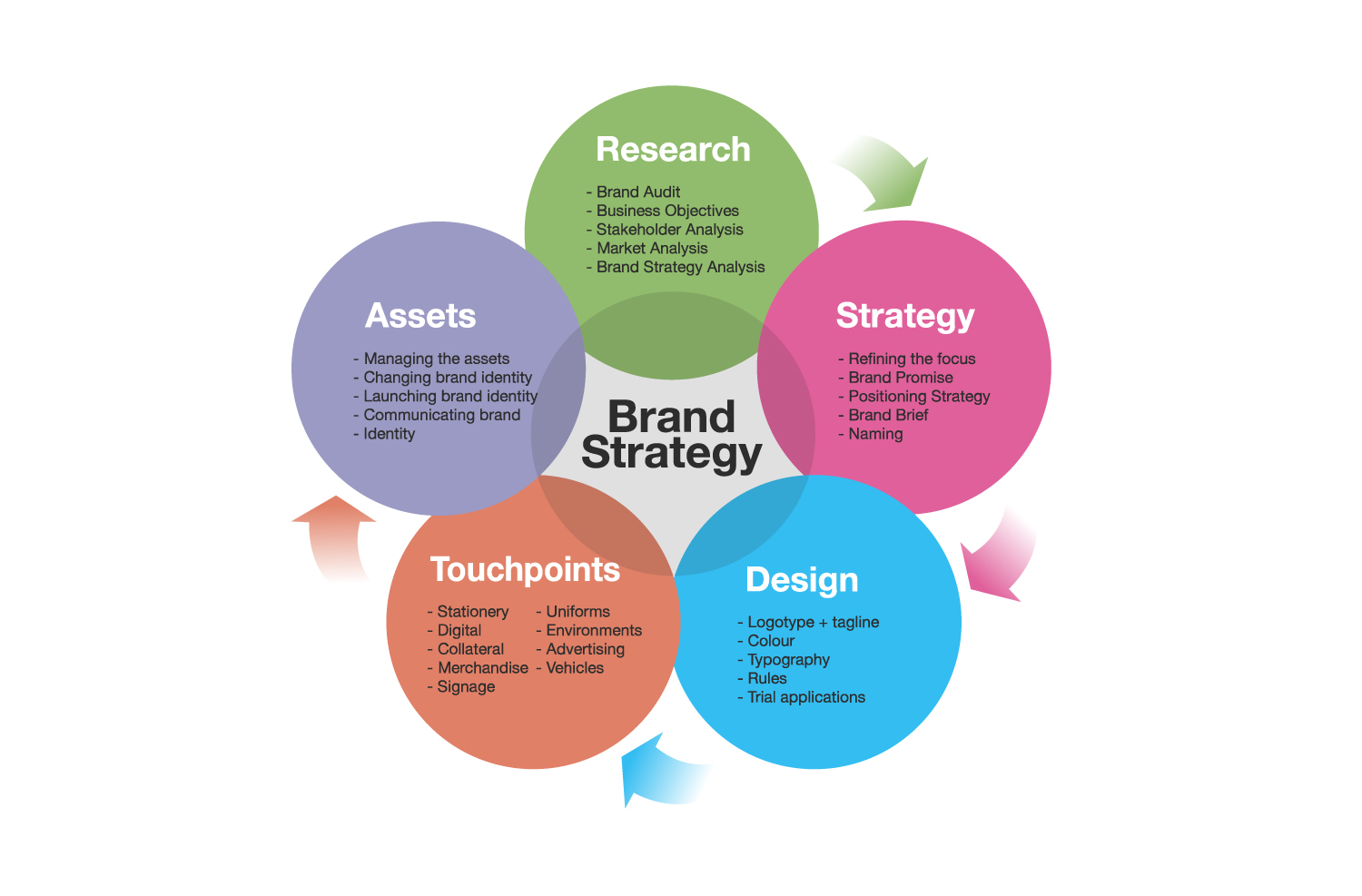
We offer clients comprehensive Food and Drink Development services working with clients to develop their food and beverage strategies, advising on:
– Concept
– Product Specifications
– Costing/Pricing Strategy
– Supply Chain
– Kitchen Design
– Menu Testing
– Nutrition
– Training
– Implementation
– Ongoing Development
Plant-Based Food Market Trends: Why Analysts Predict Continued Growth
Global retail sales of plant-based foods are on track to be worth as much as $162 billion by 2030, up from $29.4 billion in 2020, according to a new report from the Bloomberg Group. It would make up 7.7 percent of the global food market at that value. Other financial analysts are similarly optimistic, forecasting significant growth in plant-based food over the next few years.
The market’s largest sector is plant-based dairy—primarily milk alternatives like grain and nut milk. However, some industry observers predict meat alternatives to grow rapidly and become the largest market segment by value. Future innovations, like lab-grown and 3D-printed meat products, may disrupt this growth.
While some experts have suggested that the growth in meat alternatives may represent a temporary trend, consumers seem committed to plant-based foods. While just 15 percent of consumers adhere to a vegetarian or vegan diet, a growing demographic of flexitarians is likely driving market growth. Around half of all consumers say they are eating more plant-based foods than last year, and 62 percent say they eat meatless meals at least once a week. These consumers aren’t eating meatless meals all the time, but they do buy plant-based foods regularly and sometimes swap them for meat products.
The growth in the market has primarily been driven by these shoppers and restaurant customers, who are adopting plant-based foods without pivoting to a new diet. This shift in consumer preferences may be due to growing awareness about the environmental impact of meat and dairy, health concerns and the rising price of meat. The taste and quality of new plant-based foods may also be helping drive new purchases. Environmental concerns seem to be driving growth, particularly among younger consumers—like millennials and Gen Zers—who are increasingly interested in sustainable goods.
What’s Next for Plant-Based Food: Trends to Watch Beyond 2026
A handful of developments point to where plant-based dining goes next, beyond simply more of the same products on more menus.
Hybridised, blended dishes
Rather than a straight choice between meat and a plant-based substitute, chefs are increasingly blending the two — think a burger patty that’s part beef, part mushroom. It’s a lower-risk way for flexitarian diners to reduce meat consumption without giving it up entirely, and it sidesteps some of the taste and texture challenges of fully plant-based products.
A shift toward whole foods
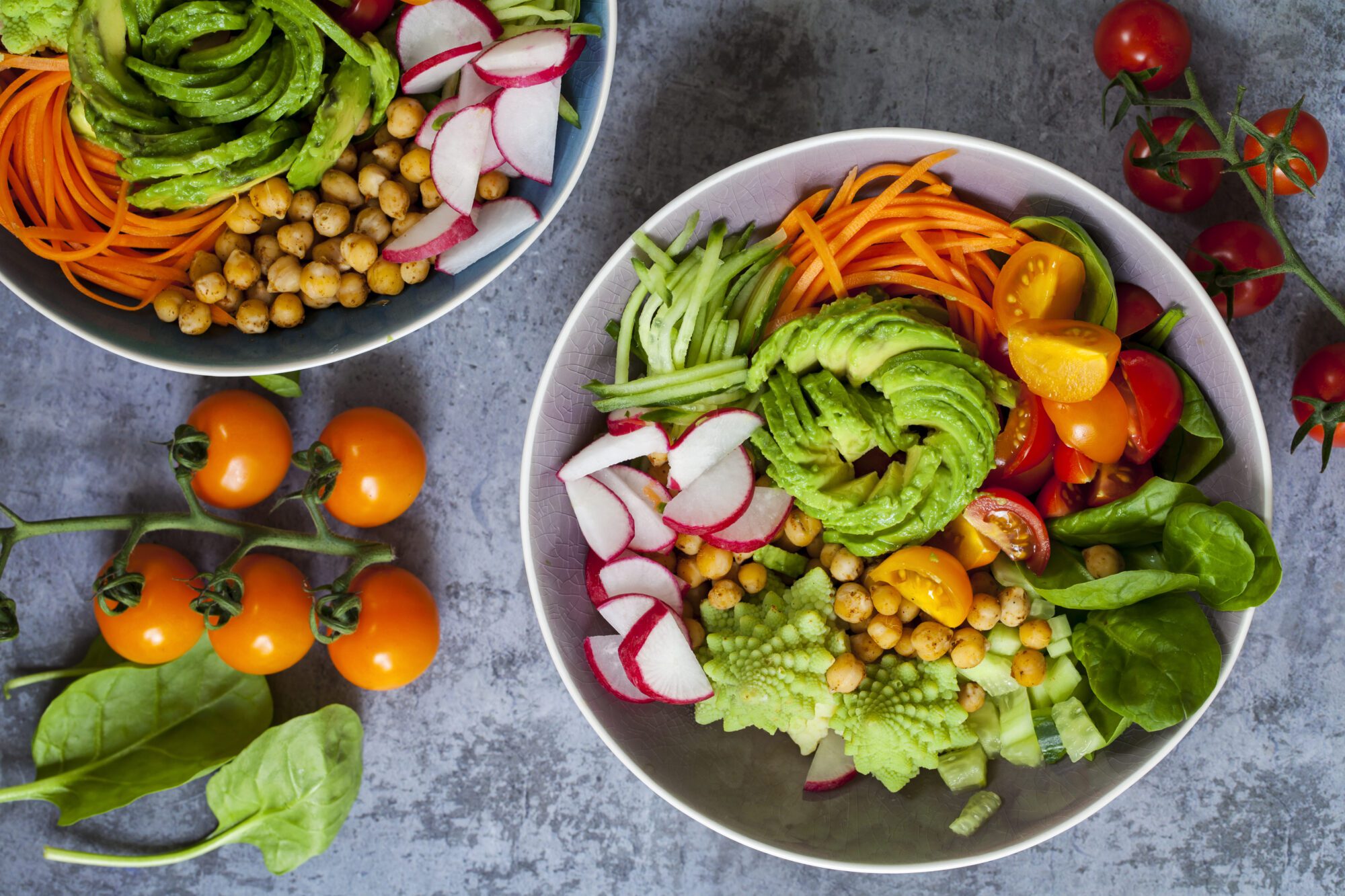
Diner appetite is moving away from heavily processed meat-alternative products and toward minimally processed plant proteins — lentils, beans, mushrooms and grains presented as the main event, not a meat substitute in disguise. This tracks with the broader “health halo” consumers now expect from a plant-based menu listing.
Cultivated meat’s regulatory groundwork
In 2026, the UK became the first country in Europe to approve a cultivated meat product for sale — cultivated chicken for pet food, from British start-up Meatly. Several companies, including Aleph Farms, Gourmey, Vital Meat, Ivy Farm and Mosa Meat, have submitted applications for cultivated meat intended for human consumption through the Food Standards Agency’s regulatory sandbox, which runs until February 2027. None of this is menu-ready yet, but it’s a category hospitality operators should have on their radar over the next few years.
Food and Beverage Trends in the Hospitality Industry: Where Plant-Based Fits In
Plant-based dining doesn’t sit in isolation. It’s part of a broader shift in food and beverage trends across the hospitality industry, one where health, provenance and experience increasingly outrank price alone as the reason guests choose where to eat. Trend reports for 2026 from Bidfood, CGA by NIQ and Creed Foodservice all point to a similar pattern: diners want quality and value together, they’re driven by flavour discovery, and health is moving beyond simple low-calorie options into functional, nutrient-led eating.
Plant-based menu items sit comfortably across nearly all of these trends. A well-executed plant-based dish can deliver on flavour, wellness positioning and provenance storytelling in a single plate, making it one of the easiest ways for operators to respond to several current hospitality industry trends at once, rather than treating plant-based as a stand-alone diet category.
Consumers May Come to Expect Meat Alternatives and Plant-Based Options
This change in preferences could have significant implications for restaurant owners over the next few years. As eateries and major fast-food chains adopt plant-based options, consumers may come to treat them as the norm and businesses that do not offer them as unusual. Restaurant owners can take advantage of the growing interest in plant-based food and future-proof their menus by researching or adopting these items. As the industry recovers from COVID-19, adding these alternatives to menus also may help drive consumer interest and bring in new customers.Plant-based items may be especially helpful in attracting flexitarian, vegetarian, and vegan customers looking for local restaurants with meat alternatives. They may be particularly popular among customers who want to consume less meat but don’t necessarily want a conventional vegetarian or vegan option.
However, adapting to this new market may be challenging for chefs and owners who do not have experience with plant-based foods. This especially applies if they want to offer plant-based items primarily as an alternative or replacement for real meat. The texture, taste and cooking properties of meat alternatives are often noticeably different than the foods they replace. Chefs may also find that milk alternatives taste or behave differently than the dairy products they typically work with. It is possible to recreate real meat or dairy-based dishes with plant-based alternatives, but creativity and experimentation may be necessary. Planning time for recipe development and research may be critical for chefs wanting to add plant-based menu items.
Rising meat prices and ongoing attempts by alternative food manufacturers to achieve price parity may also make plant-based food an option for businesses looking to save money. Even if plant-based alternatives never become cheaper than real meat, more affordable choices may help restaurant owners add these options to their menus without increasing prices or budgeting more for ingredients.
How Restaurants Can Adapt Their Menus for Plant-Based Demand in 2026
Successfully adding plant-based dishes is rarely as simple as swapping one ingredient for another. Menu R&D takes time: chefs need space to test how plant-based proteins and dairy alternatives behave under heat, in sauces and across shelf life, and most experienced hospitality teams build in several rounds of tasting and refinement before a dish goes live. A handful of practical steps make the transition smoother:
- Trial suppliers on a small batch before committing to a full menu roll-out, since taste, texture and cost can vary significantly between plant-based product ranges.
- Consider a hybridised option alongside a fully plant-based dish, blending meat and plant ingredients in one product to appeal to flexitarian diners who aren’t ready to go fully meat-free.
- Train front-of-house and kitchen staff on allergens and cross-contamination, since plant-based doesn’t automatically mean allergen-free.
- Price thoughtfully. Ingredient parity is improving, but plant-based items don’t need to be the cheapest thing on the menu to sell — positioning and description often matter more than price.
- Test before committing. Running a dish as a specials-board item first is a lower-risk way to gauge real demand before investing in a permanent menu change.
Why the Future of Plant-Based Food Matters to Restaurants
Customers are rapidly adopting new plant-based food items. Demand for meat alternatives is growing quickly — likely due in part to consumers looking to reduce meat consumption due to concerns about health or sustainability.
Restaurant owners can take advantage of this new trend to help drive growth and speed the recovery of their businesses from COVID-19’s impact. Plant-based options may draw customers who are vegetarians, vegans or simply interested in eating less meat.
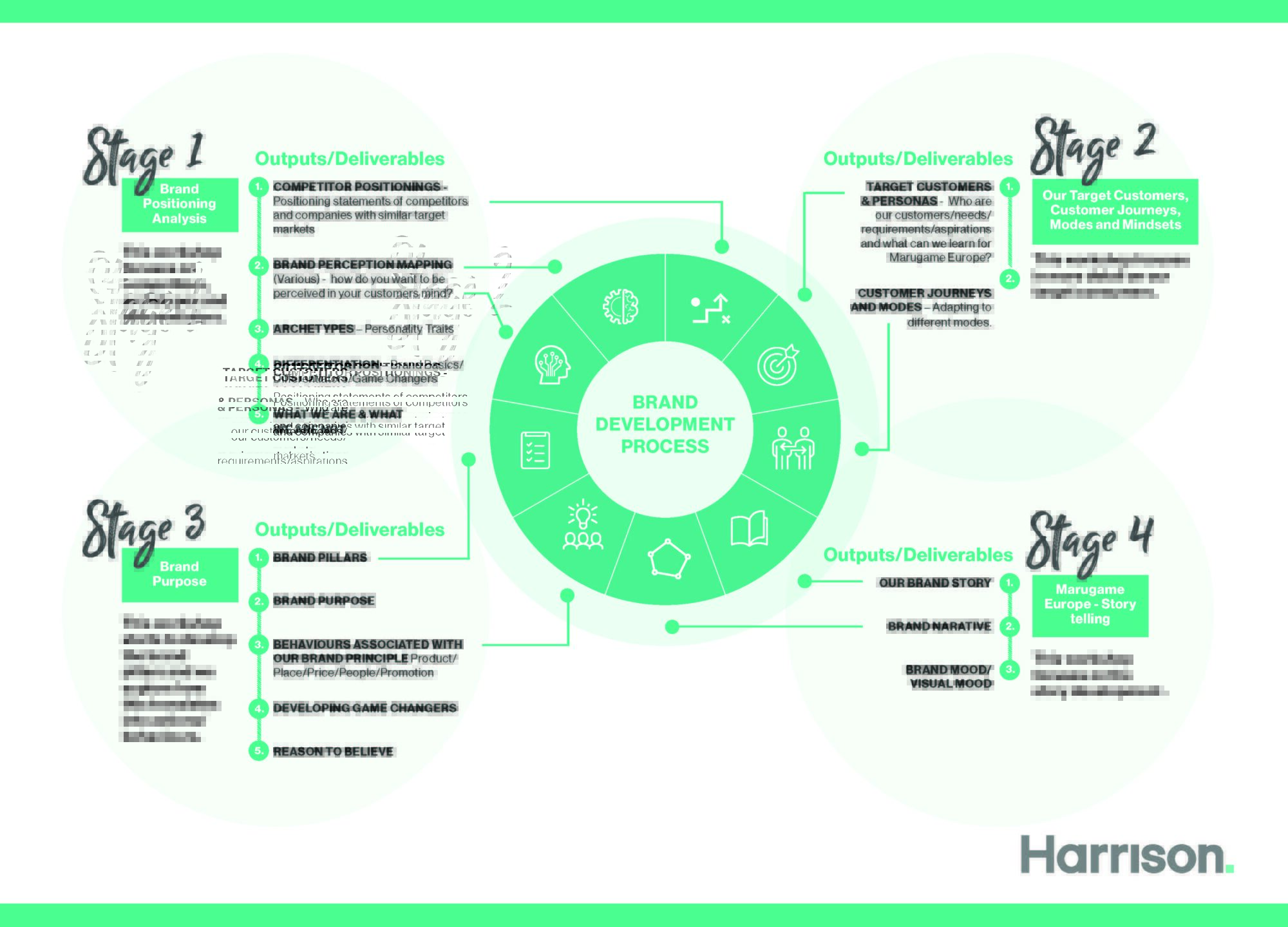
Our strategic brand workshops and concept development process is an ideal way to start this and we offer a free half day session to explore potential opportunities with clients.
While there may be a learning curve involved with cooking plant-based foods, the benefits could outweigh the potential costs that come with adopting them. Restaurant owners would be wise to make this trend a permanent part of their menus.