The more I hear the word “immersive” in hospitality, the more I wonder if we’ve forgotten something much more important.
- Author Claire Siderfin
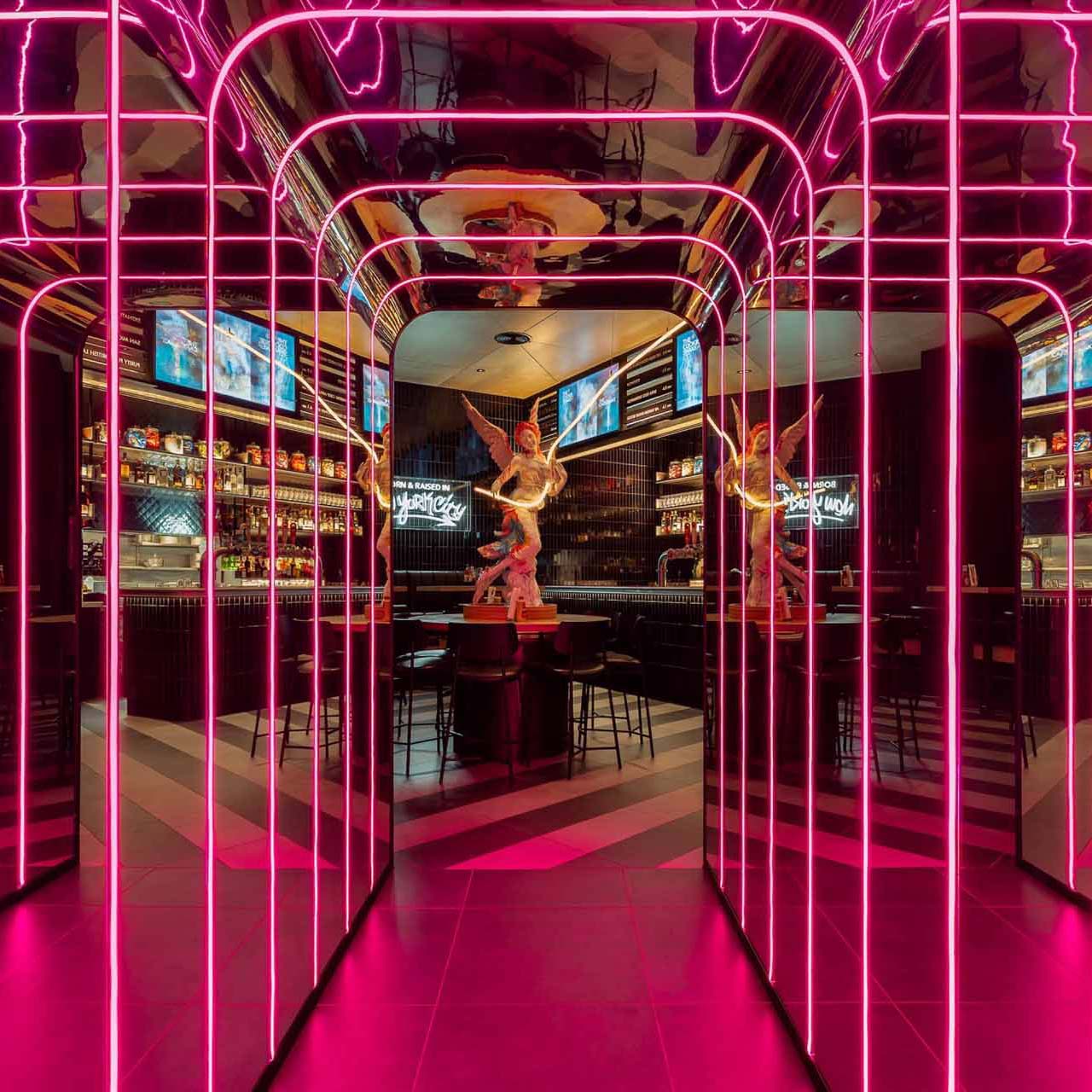
I was recently asked a question that seems to appear in almost every hospitality brief or article that I read. “How can we make the brand more immersive?”
The more I hear it, the more uncomfortable it makes me. Not because immersive experiences are wrong. Far from it. I love theatre. I love surprise. I love moments of magic and escapism.
But somewhere along the way, I think we’ve confused immersion with connection.
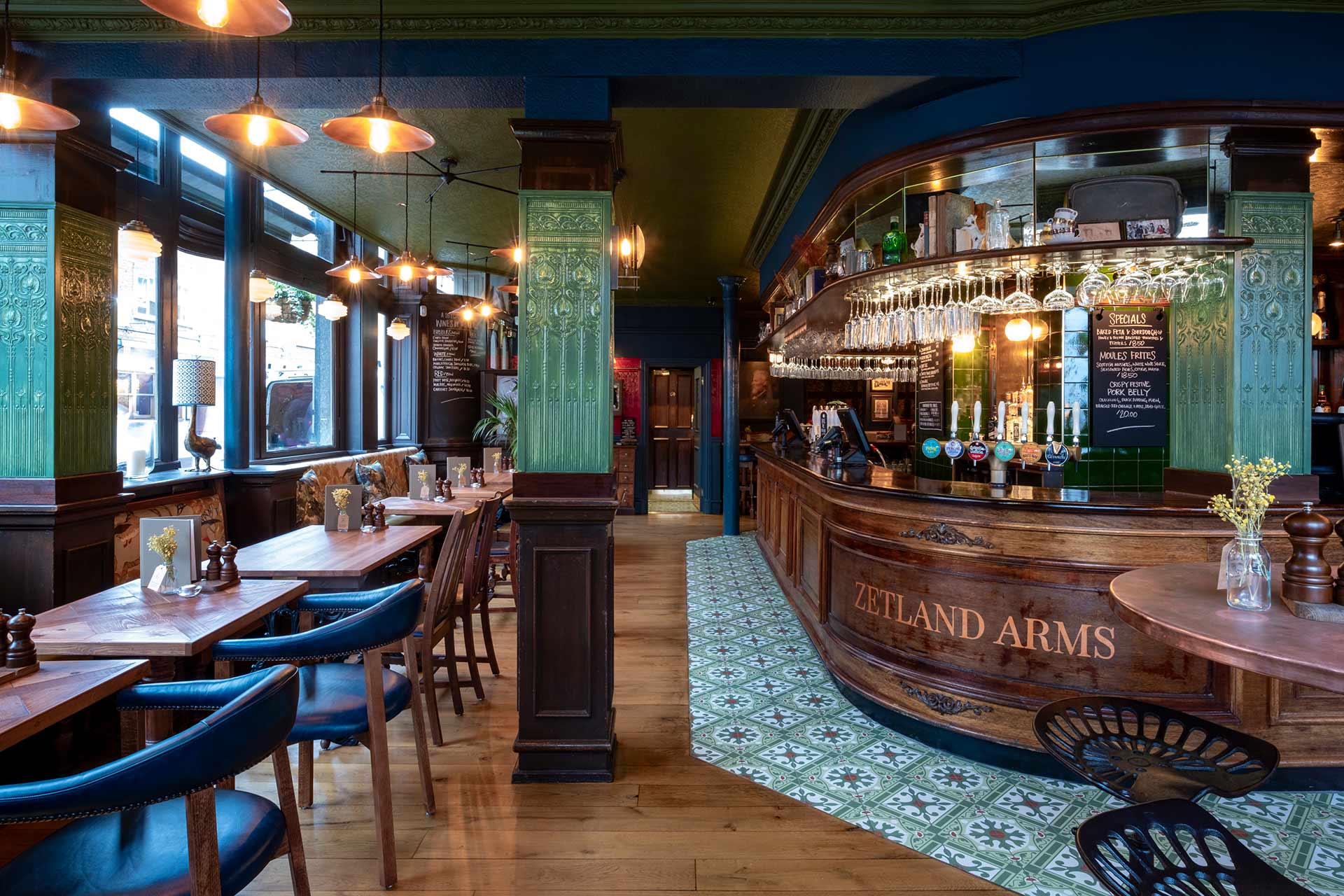
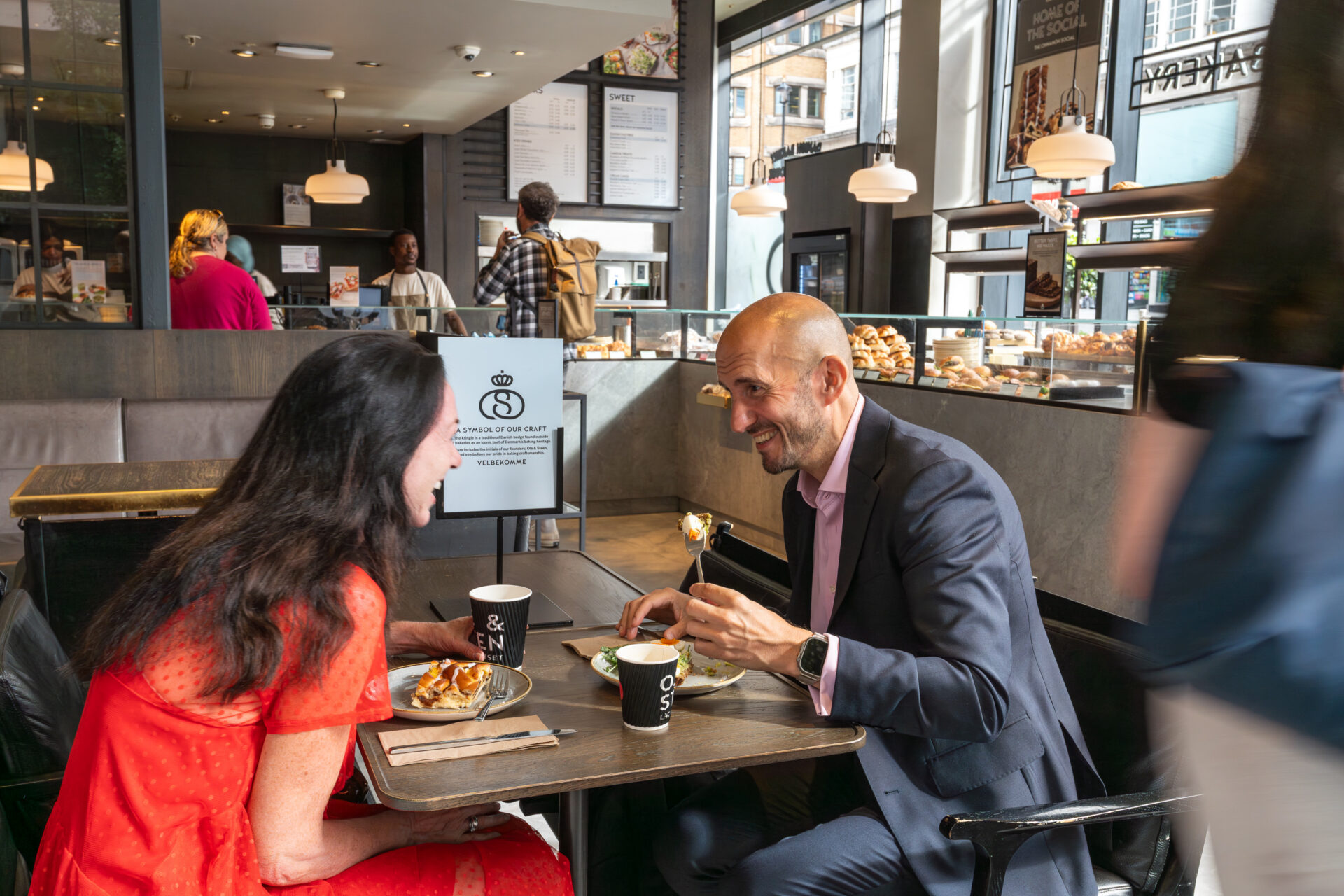
Some of the most immersive experiences I’ve ever had weren’t immersive at all. They were a local pub where the landlord knew everybody’s name. A tiny restaurant where the owner insisted we try one more dish before we left. A hotel lounge where complete strangers somehow ended up sharing stories over a second glass of wine, or for me more cake.
No projections. No digital walls. No theatrical spectacle. Just people.
And yet I remember them years later.
As a branding designer, I spend my life thinking about how people experience places. Not just what they see. What they feel.
And lately I’ve been wondering whether hospitality has become so focused on creating experiences that we’ve forgotten why most hospitality businesses existed in the first place.
Most of the founders I’ve had the pleasure of meeting, whether in the UK or more recently across the USA, didn’t open their restaurant because they wanted an immersive concept. They opened it because they loved food. Because they loved people. Because they wanted to create somewhere they would be proud to bring their own friends or family.
Somewhere between opening day and operating reality, those simple ambitions can get buried beneath trends, buzzwords and pressure to constantly create something new and of the moment.
But I don’t think people are crying out for more stimulation. I think they’re crying out for more connection.
We live in a world where we can order dinner without speaking to anyone. Check into hotels without speaking to anyone. Spend entire evenings checking our phones while sitting opposite the people we care about the most.
People aren’t short of experiences. They’re short of belonging. And hospitality is one of the few industries still capable of creating it.
That’s why neighbourhood cafés still thrive. Why local pubs still matter. Why the restaurants we return to again and again are rarely the ones with the most impressive fit-out. They’re the places that make us feel welcome. The places that remember us. The places that feel human.
As designers, I don’t believe our role is to make brands more immersive. I believe our role is to uncover what makes them meaningful.
Why did the founder start this business? What story are guests joining when they walk through the door? What feeling should they leave with?
Hospitality was never meant to help us escape humanity. It was meant to bring us closer to it.
Perhaps the future of hospitality isn’t ticking an ‘immersive’ box, or whatever the latest buzzword happens to be. Perhaps it’s simply being more human. And perhaps the experiences we remember most aren’t the ones that helped us escape reality. They’re the ones that helped us feel more alive inside it.
As a branding designer, I don’t want to simply create experiences. I want to help create memories. Because experiences fill an evening. But memories can last a lifetime.
The strongest brands don’t live in logos or colour palettes.
They live in the stories people tell when they get home.