Before we see a brand, we often touch it. And somehow we rarely talk about that.
- Author Claire Siderfin
The door handle. The menu. The chair. The bar. The table. The glass.
For an industry obsessed with experiences, we spend surprisingly little time talking about touch.
We talk about visuals. We talk about interiors. We talk about concepts.
But hospitality is one of the most physical experiences we have.
Every visit is made up of hundreds of tiny interactions.
Some conscious. Most unconscious.
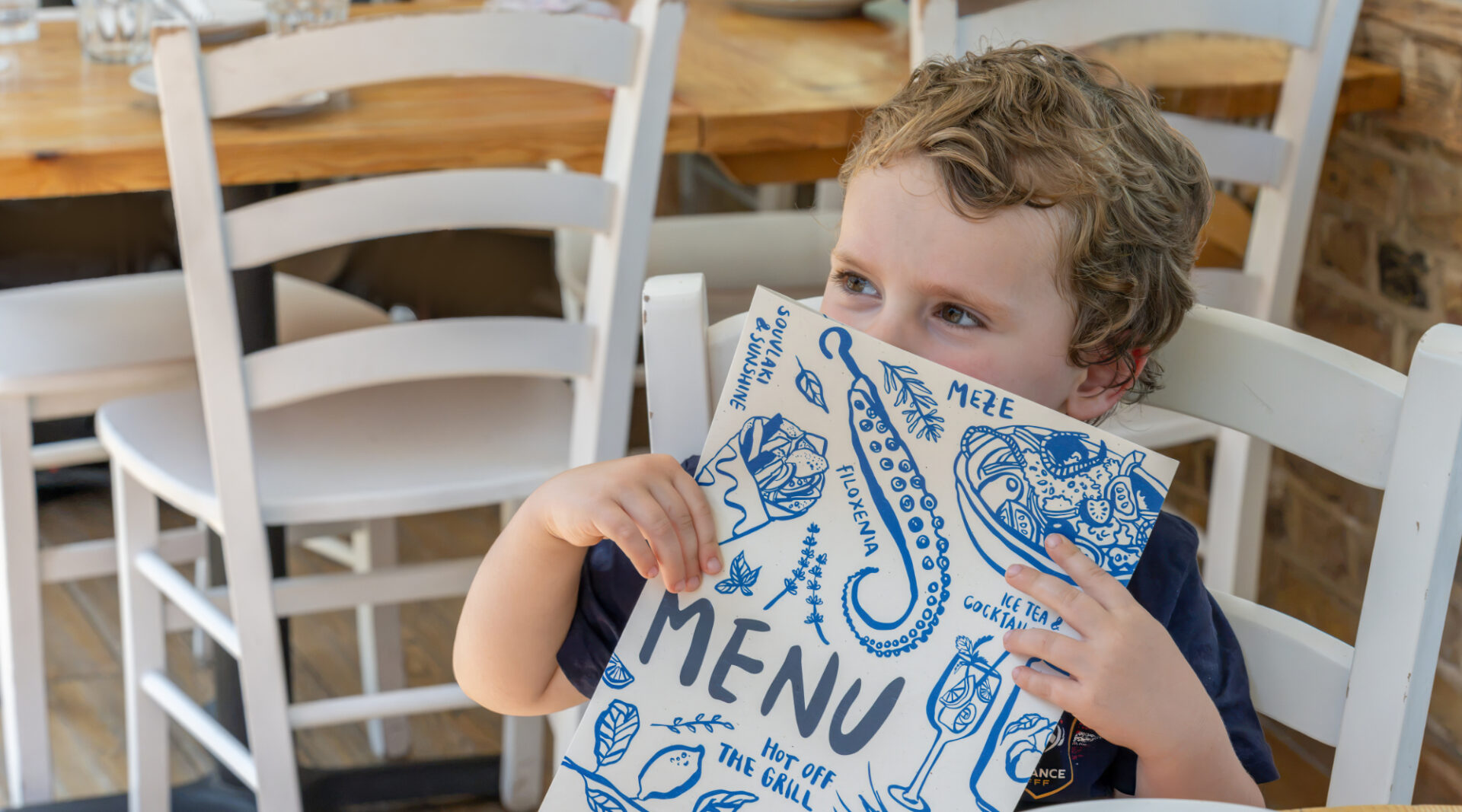
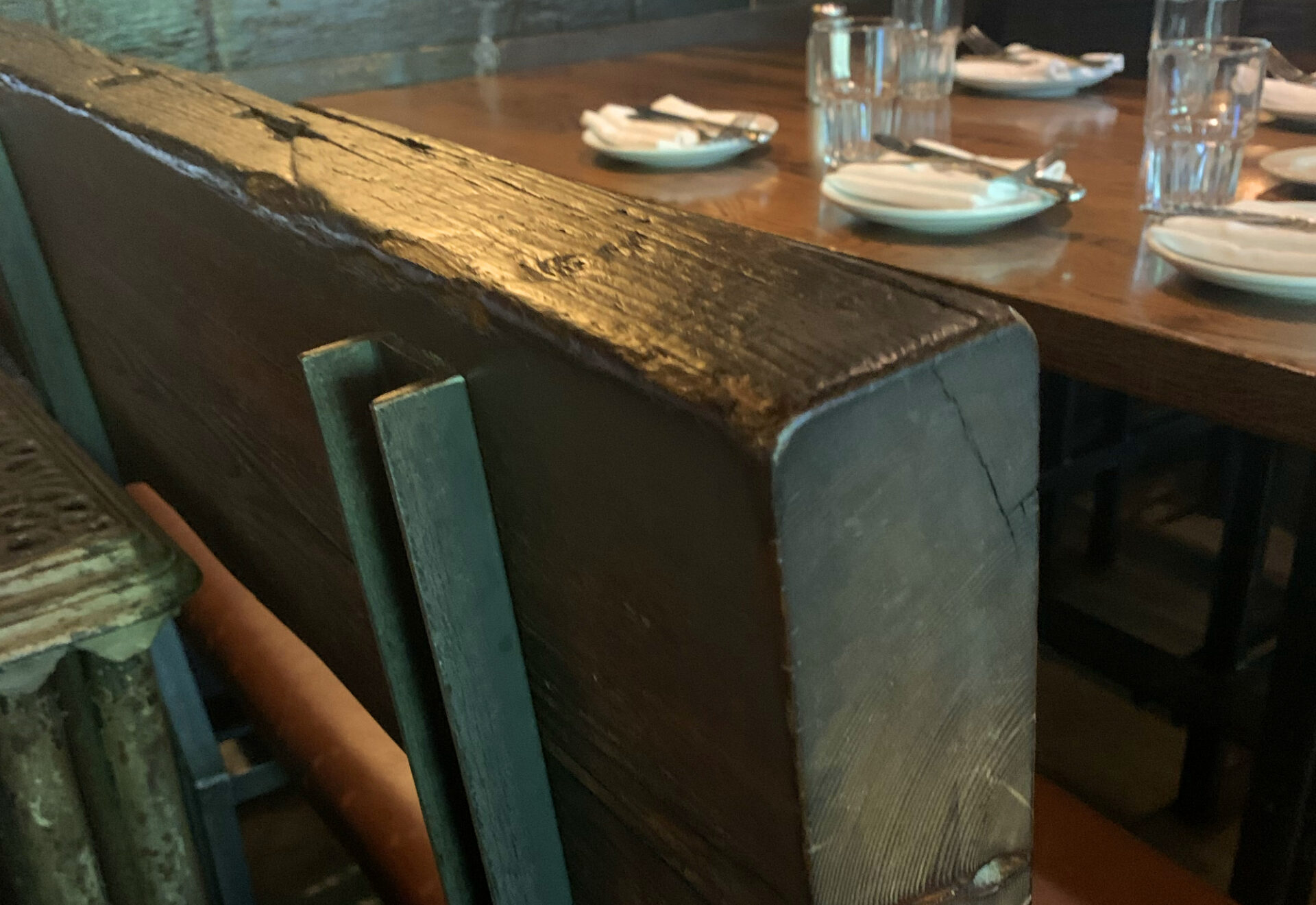
The texture of a menu cover. The edge of a marble table. The grain of timber worn smooth by thousands of guests before us. The weight of a beautifully made glass.
These things communicate something. Not through words. Through feeling.
A few weeks ago I visited a restaurant called Barcelona in Charlotte.
What struck me wasn’t perfection. It wasn’t luxury. It wasn’t spectacle. It was care.
Every surface felt considered. Every material chosen for a reason.
Nothing felt temporary. Nothing felt disposable. It felt like a place built to be loved. Not just opened. And perhaps that’s what moved me most.
Senses play such an important role within hospitality. Serving delicious food in a sterile space just doesn’t work, but it’s amazing how often it happens.
I don’t like to judge places without knowing who they were designed for, and what the original goal or concept was. But I do find myself strolling past places wondering how enjoyable it would be to eat in a space that lacks soul and personality.
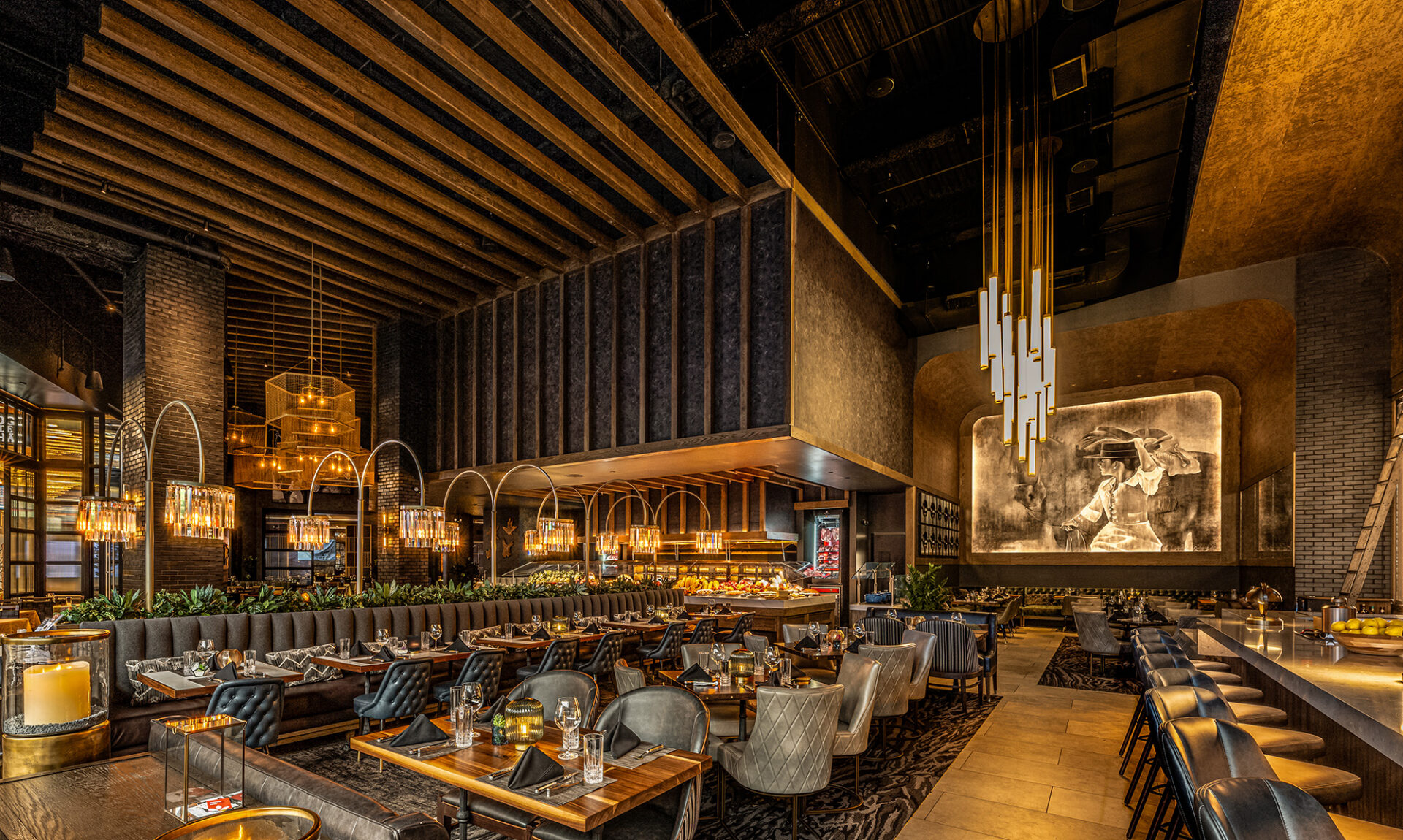
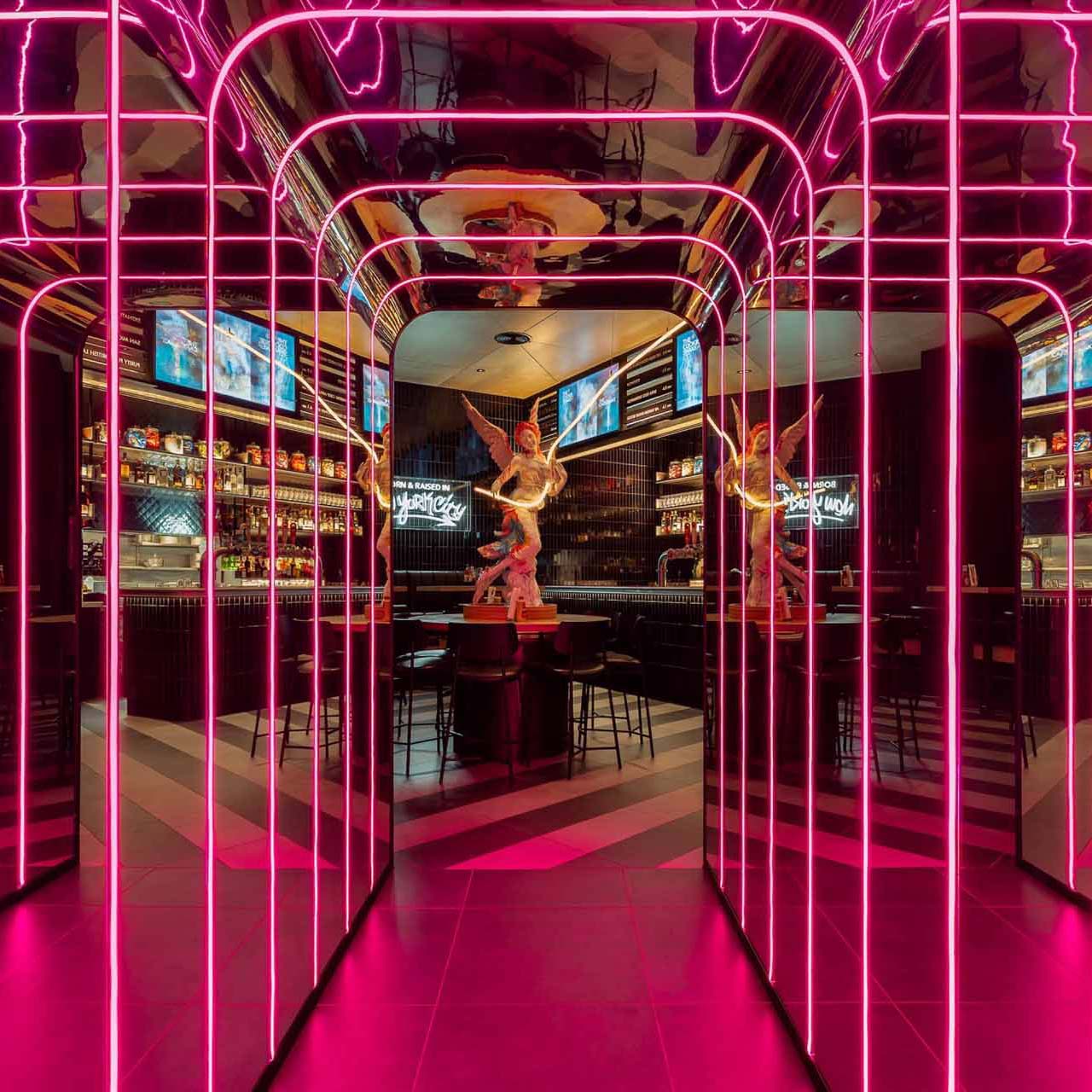
At Barcelona, I found myself reaching out to touch every surface. The bar top a chunk of marble to behold, the restaurant walls a mismatched wall of timber, so beautifully constructed it was a work of art in itself. Even a lobby area by the loos was transformed into a mirrored oasis, creating the perfect ‘insta’ moment every brand craves.
As designers, we often talk about creating impact. But increasingly, I find myself drawn to places that create attachment. Places that feel lived in. Places that age gracefully. Places that become better with time.
Hospitality operators face enormous pressures today.
Budgets are stretched. Margins are tight. Every decision matters.
Which is why I believe great design isn’t about spending more, it’s about investing wisely. Creating brands and spaces that will still feel relevant, beautiful and loved years from now.
Some places are designed to impress people for six months. Others are designed to be loved for sixty years.
The difference isn’t money. It’s intention.
As branding designers, we’re not simply creating visual identities. We’re helping shape the way people experience a place.
What they see. What they hear. What they remember. And yes, what they touch.
For me, the most memorable hospitality experiences aren’t the ones that overwhelm us. They’re the ones that make us feel at home.
And that’s something people will always want to reach out and hold onto.