
Interior design is where architecture, human behaviour, operations, business plan and brand converge.
- Author Dean Concannon
Interior design is too often thought of as a finishing layer, something applied after a building is completed, a matter of colours, textures, and furniture. This view misses the essence of the discipline. In practice, interior design operates at the intersection of architecture, human behaviour, operations and brand identity. It is spatial problem-solving in its own right, shaping how a building functions as much as how it feels. The relationship between interior design and architecture is therefore less sequential and more symbiotic: one defines the framework, the other orchestrates the experience within it.
Understanding a building from the inside out is the starting point. The process is not about choosing finishes or decorative gestures; it is about comprehending the structure, its constraints, the way services run, acoustic conditions and historical layers. It also involves situating the building within its context, considering circulation patterns, demographic flows, and the ways in which people move through and around the space. Stripped of surfaces and materials, what remains is the spatial logic that underpins the interior experience like the architectural skeleton upon which all else is layered.
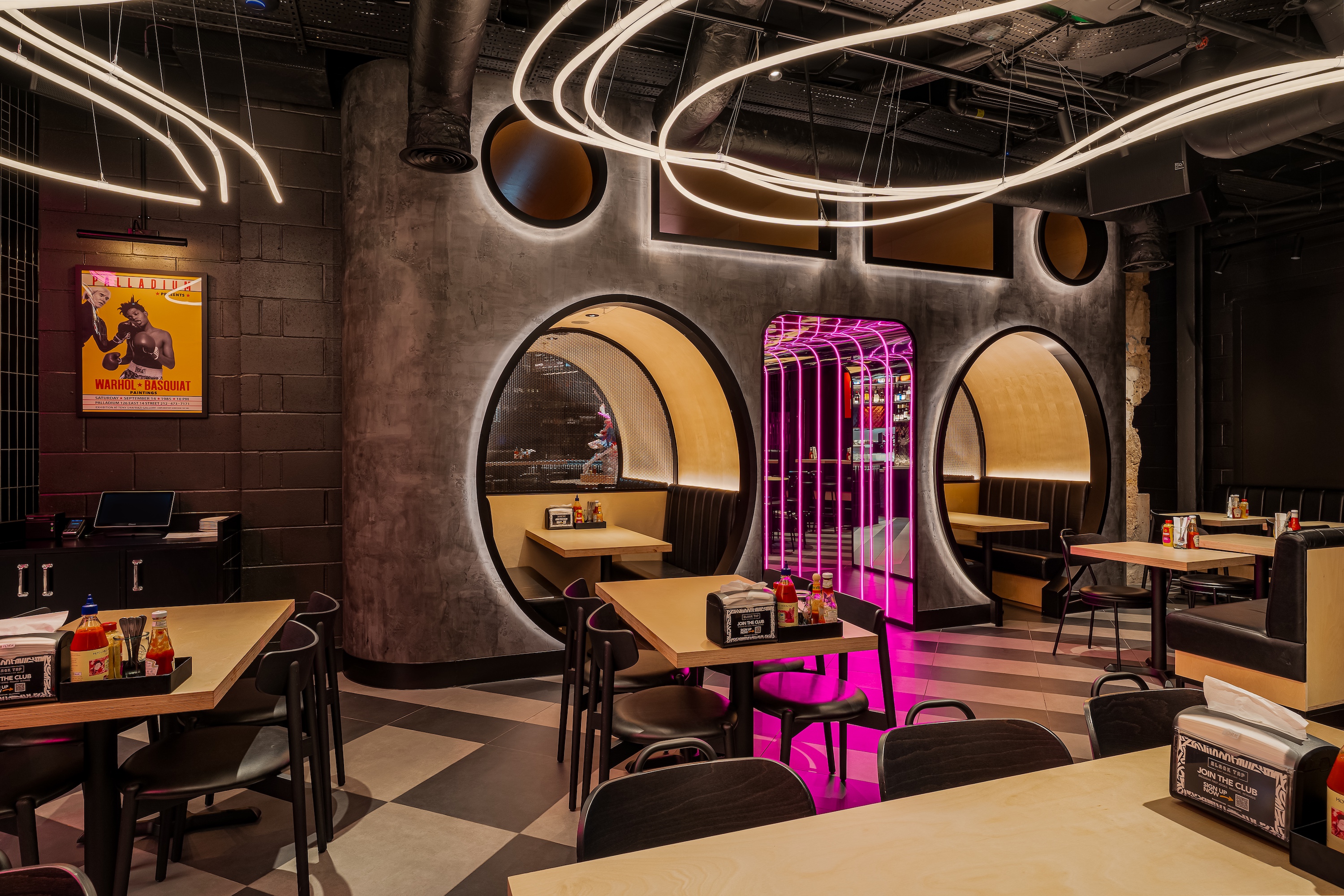
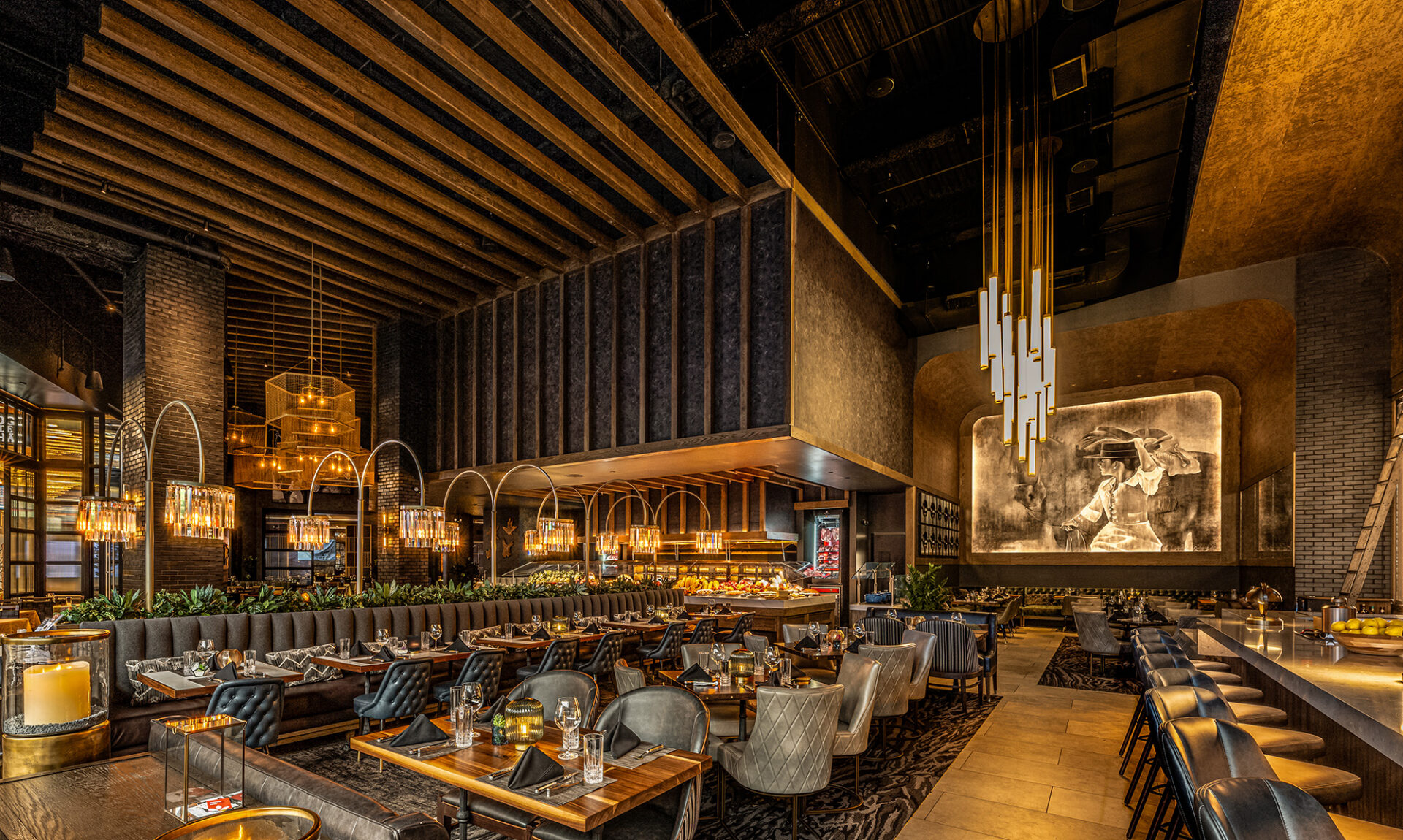
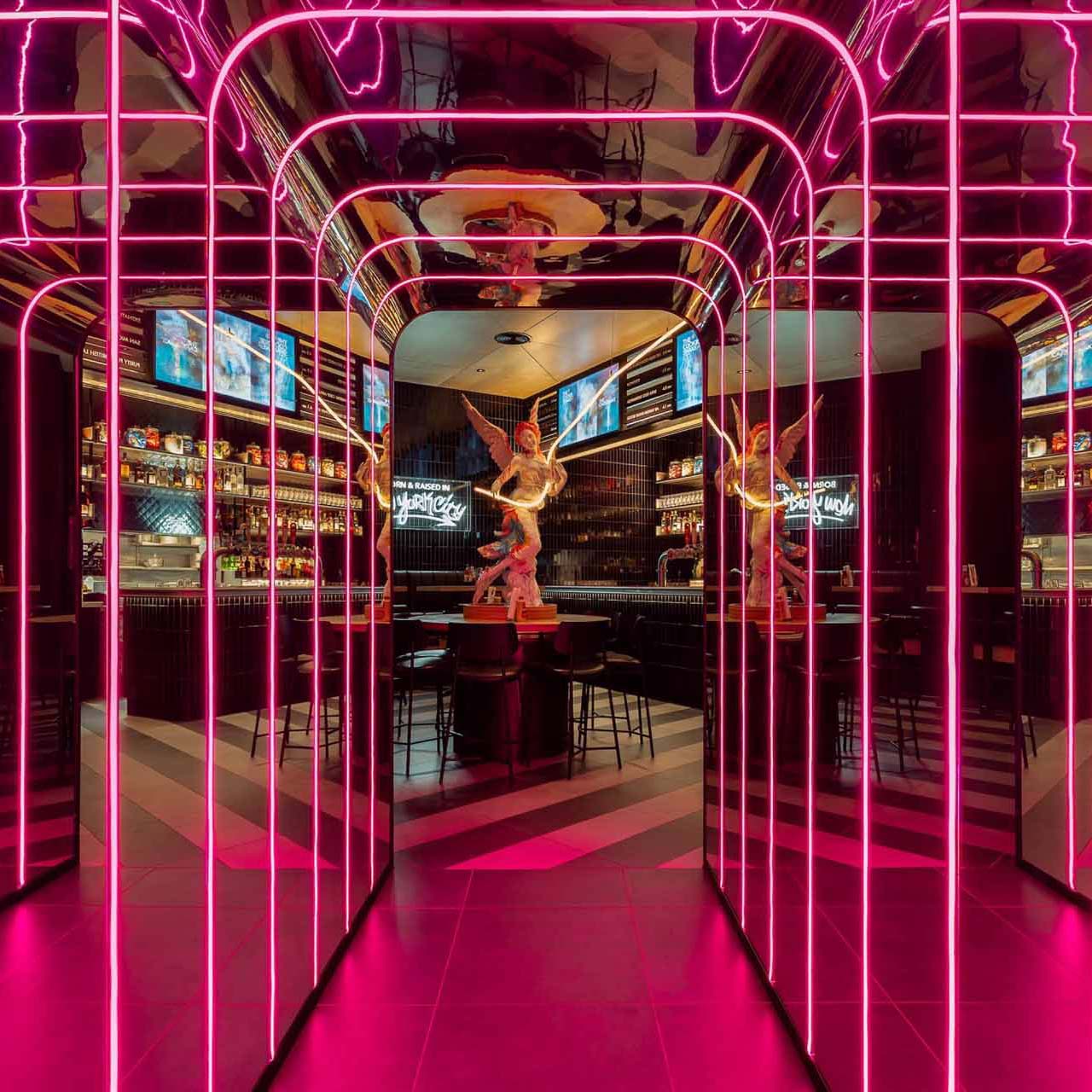
Black Tap by Harrison I Photography by Daniel Atkinson
This logic is most visible in complex projects, particularly those involving older or listed buildings. Here, the challenges of hidden load paths, legacy services and historical alterations demand that interior design be approached as a structural as well as operational exercise. Misunderstanding these constraints can lead to delays, unexpected costs, or unworkable concepts. Even in new builds, where walls can be positioned more freely, interior design must align closely with architectural intent from the outset to ensure layouts, circulation and operational flows function as intended.
At Harrison, our interior designers frequently collaborate with architects early in the process, shaping spatial and operational logic before major decisions are set. Interior architecture in this sense is not decoration applied retrospectively; it is a way of thinking spatially, operationally, and experientially. It resolves the tensions between building geometry, functional requirements, and human behaviour. For example, reconciling a brand requirement for a large service counter with a non-orthogonal site is not a matter of aesthetic preference but an architectural challenge which demands careful negotiation of circulation, sightlines, and operational logic.
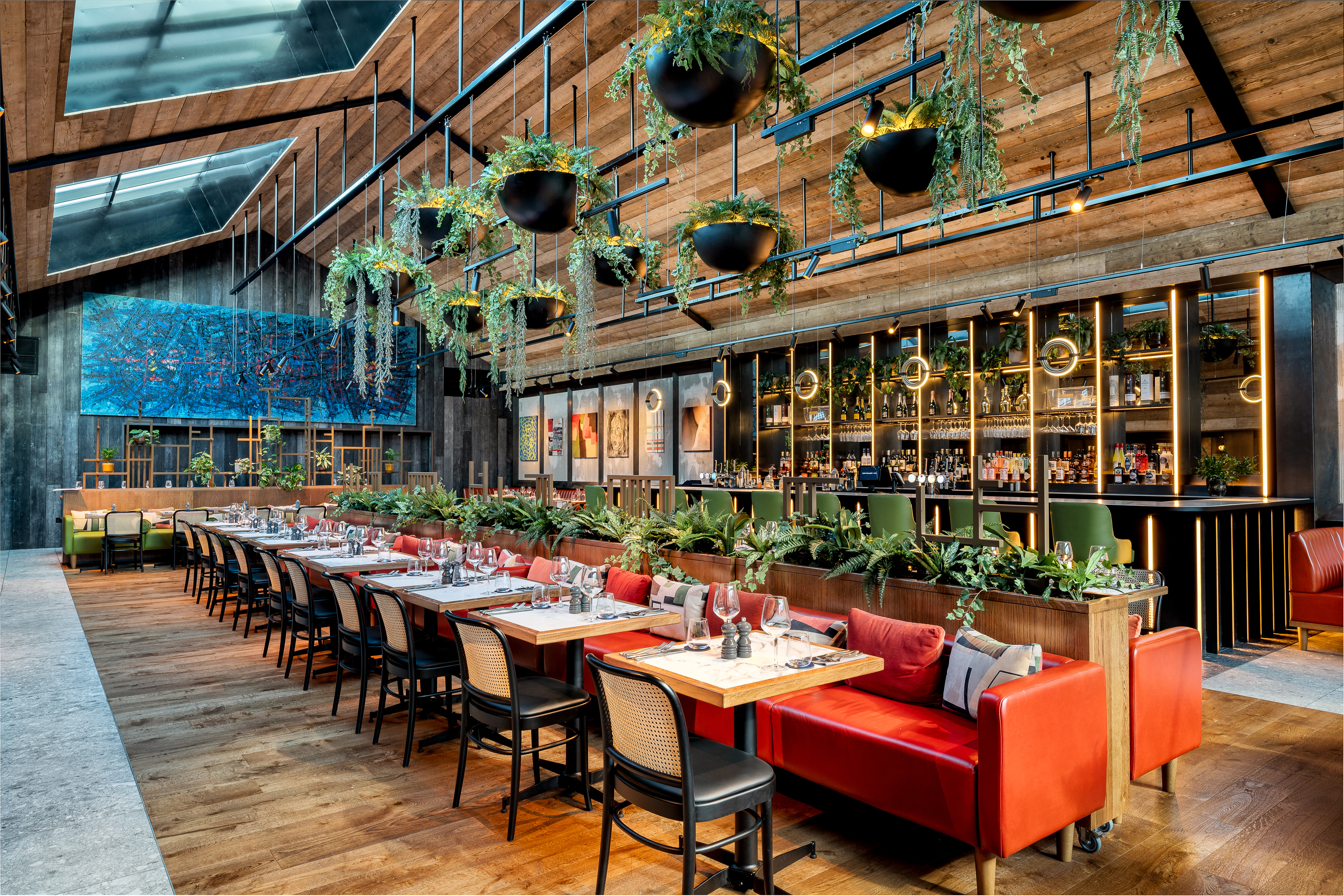
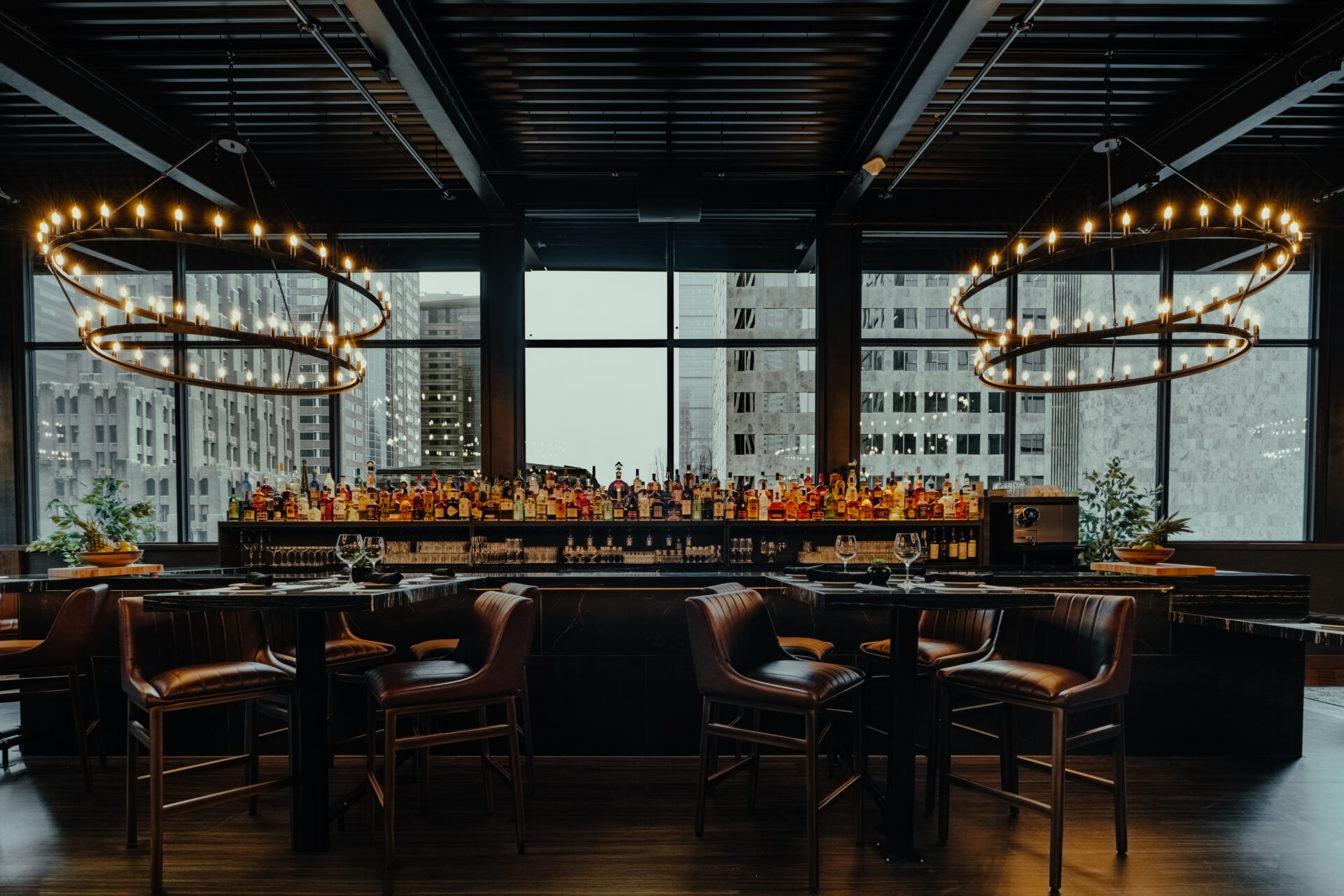
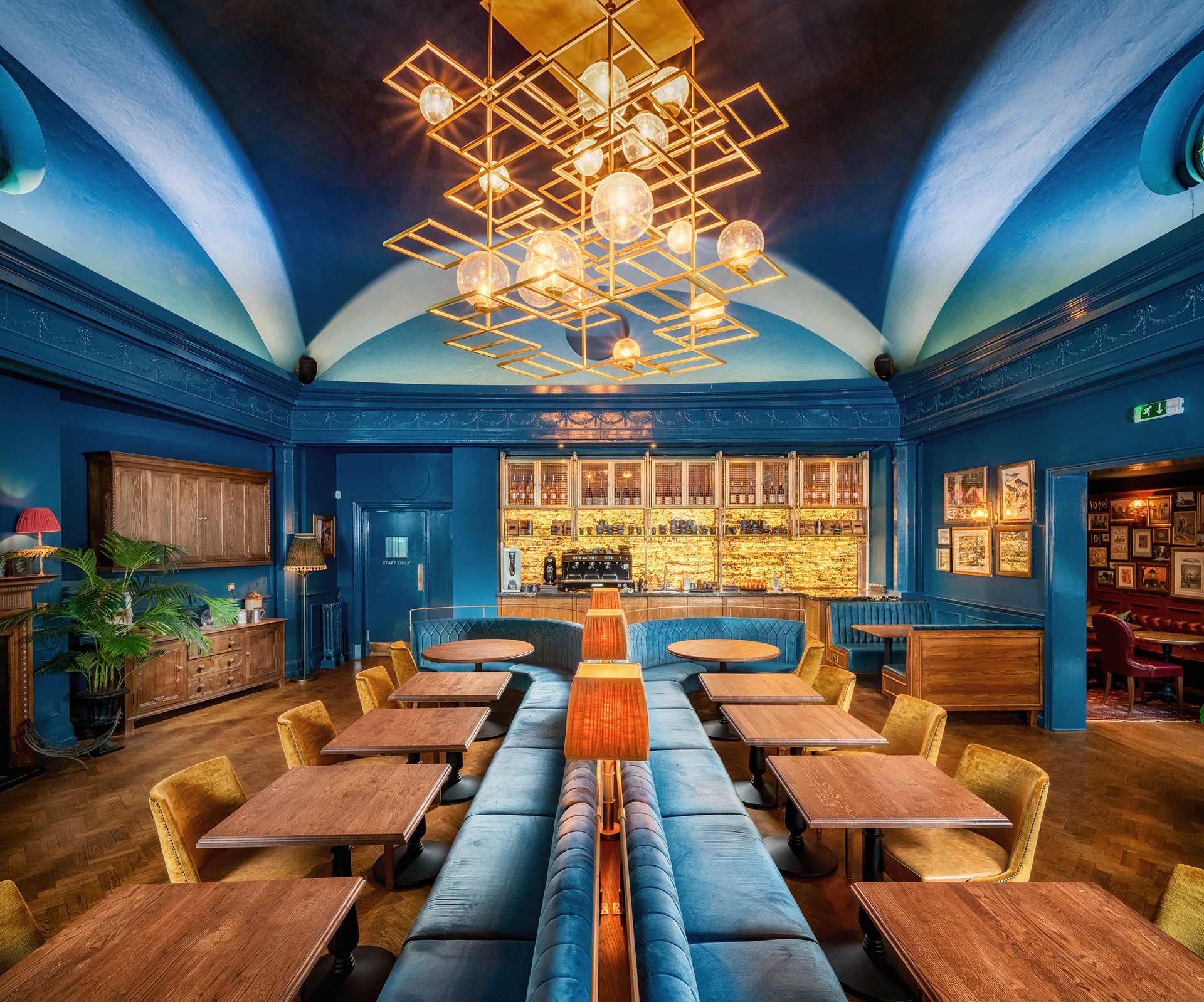
Burleigh Court Hotel by Harrison | Photography by Daniel Atkinson
This integration extends beyond structural issues. Architecture defines a building’s form, but interior design translates that form into behaviour, movement and engagement. Every interior plan is effectively a blueprint of human interaction, dictating how visitors arrive, orient themselves, dwell, and move, while simultaneously supporting the operational needs of staff. Poorly considered interiors create friction; well-conceived spaces disappear into the experience, functioning intuitively for all occupants.
High-traffic environments illustrate this interplay clearly. In airport restaurants, for instance, hundreds of people may enter simultaneously, carrying luggage and moving under time pressure. The placement of seating, counters, queues, and information displays must respond to these conditions. This is a spatial problem that blends operational thinking with architectural understanding. Similarly, in fast-service contexts, the sequencing of ordering, preparation, and service must be orchestrated within the constraints of the space itself. In each case, the design of the interior is inseparable from the architectural structure; one supports and informs the other.
The technical dimension of interior architecture further underscores its proximity to the discipline of architecture. Acoustics, lighting, materials, service integration, and regulatory requirements shape not only the appearance but the functionality and durability of a space. The emotional and experiential qualities of interiors such as atmosphere, comfort or energy emerge not from decoration alone but from carefully considered technical decisions. In some spaces, subtle acoustic control fosters intimacy; in others, an energetic soundscape enhances the pace and dynamism of the environment. In every instance, technical rigour underpins the experiential outcome.
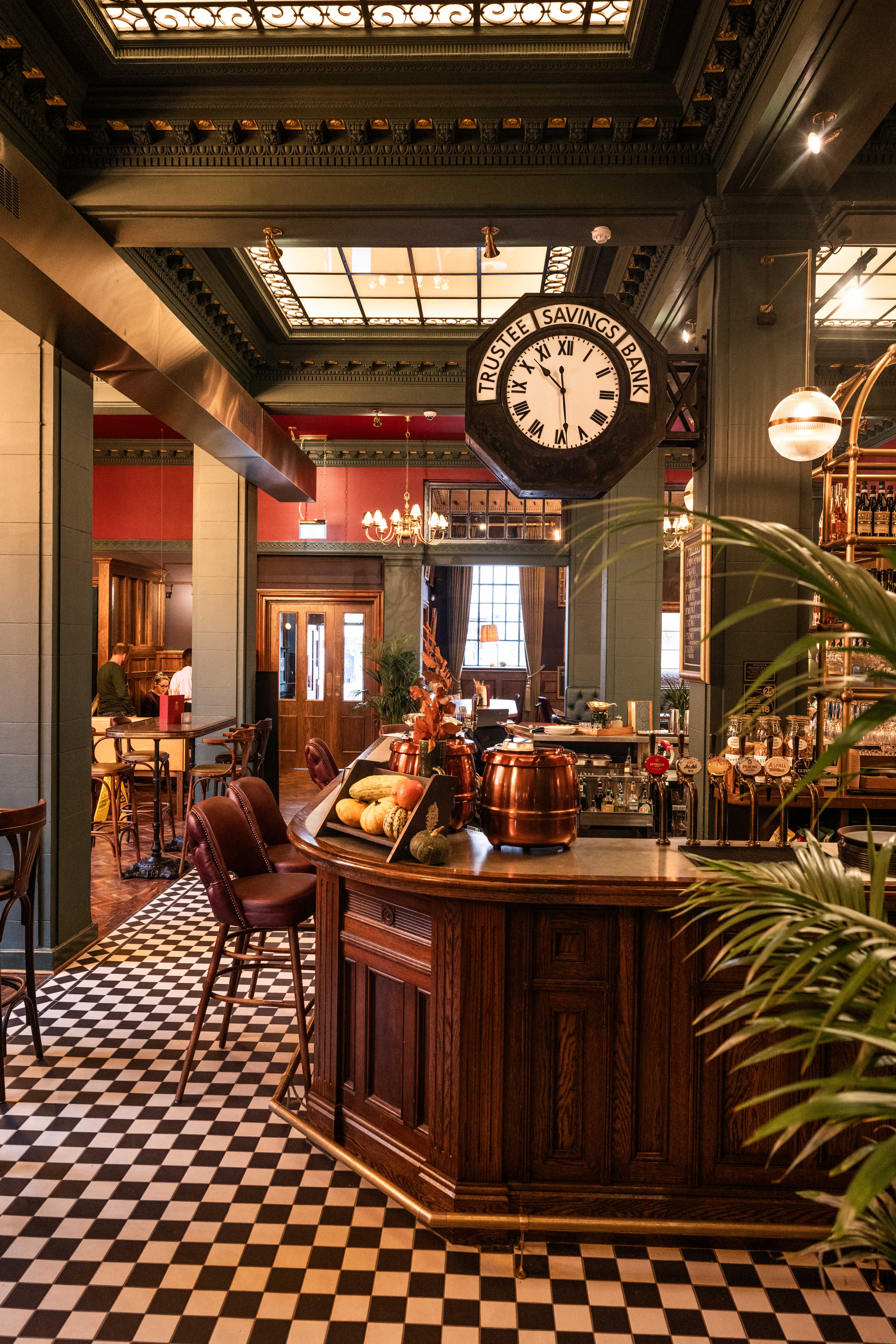
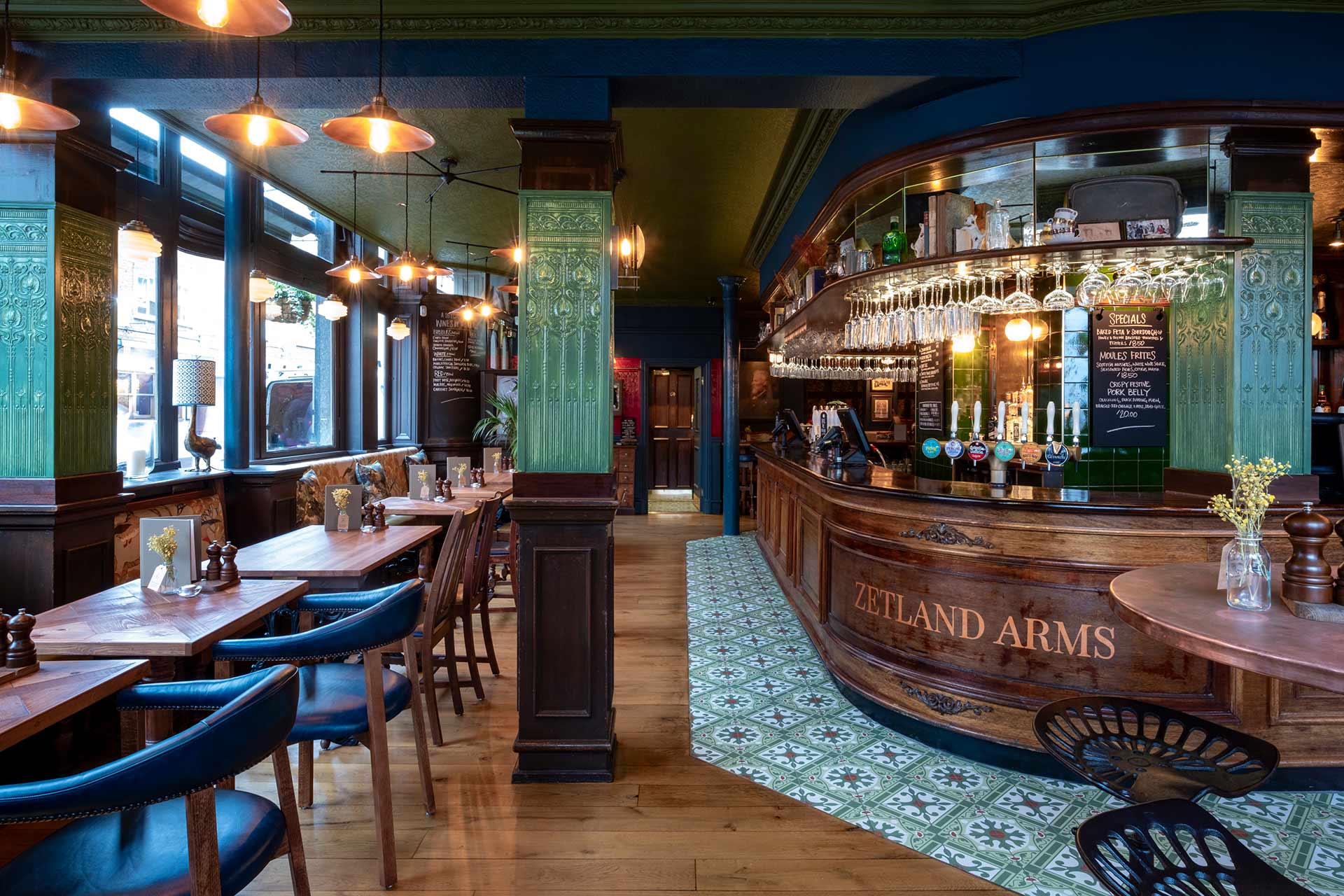
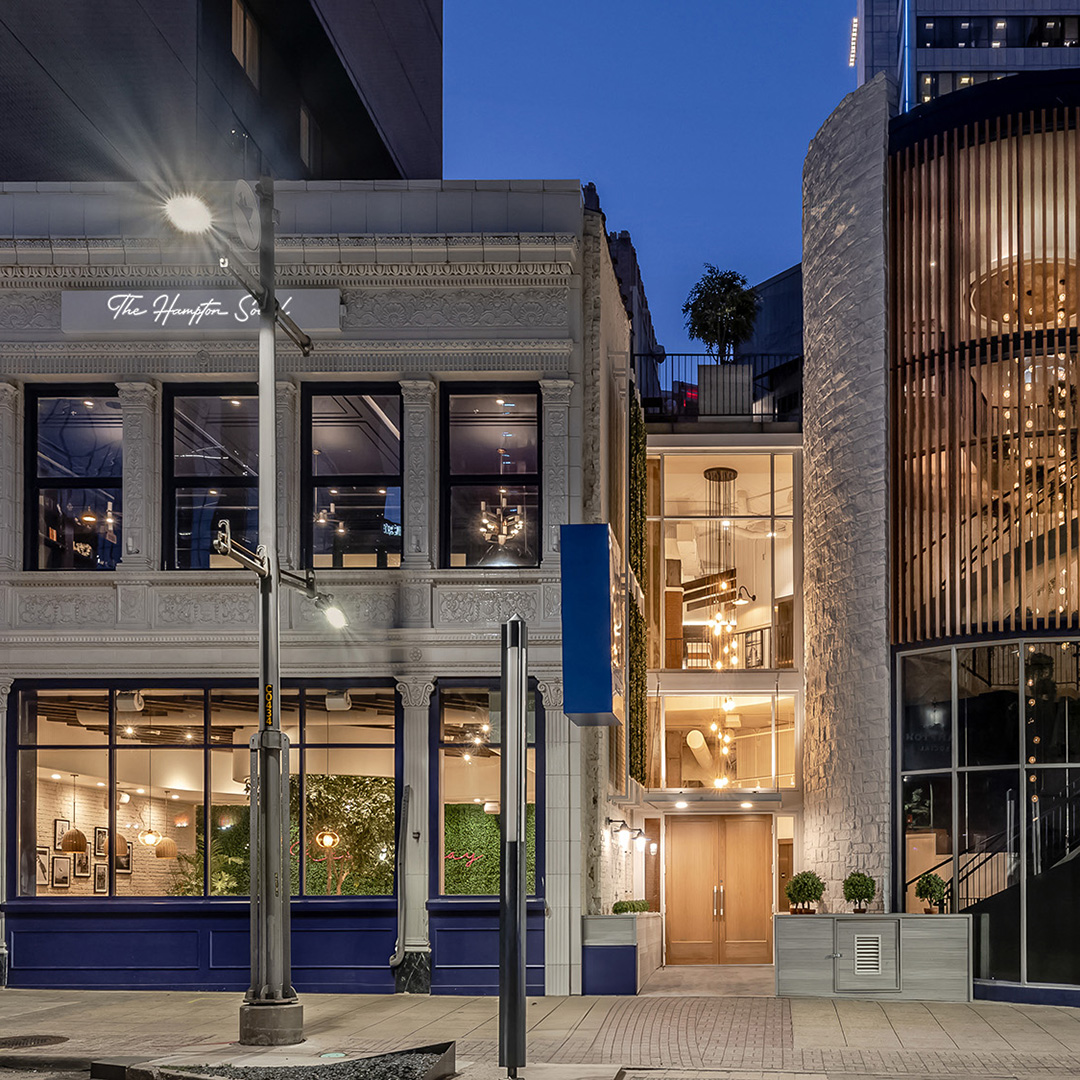
The Tellers Arms by Harrison | Photography by Daniel Atkinson
This integration of interior and architectural thinking is increasingly vital as buildings and their uses become more complex, regulations tighten, and expectations around sustainability and wellbeing grow. Design must now anticipate adaptability, operational efficiency, and the psychological as well as physical needs of occupants. Achieving these outcomes requires interior and architectural expertise to operate together from the earliest stages, rather than as discrete or sequential processes.
When interior and architectural disciplines collaborate seamlessly, the results extend beyond operational efficiency and compliance. Buildings are not only functional and safe; they become expressive, coherent environments that support human behaviour while communicating narrative and brand. Restaurants, hotels, and retail spaces in particular are performative meaning they tell stories, create atmospheres, and guide human engagement. These qualities are only realised when interiors are conceived in tandem with architecture, not as an afterthought.
Ultimately, interior design is not a secondary layer applied to architecture; it is an extension of it. It bridges structural intent and human experience, shaping how spaces are used, perceived, and remembered. The most successful interiors are those that respond to the architectural framework while embedding the operational, technical, and emotional intelligence needed to bring a building to life. In this sense, interior design and architecture are not two separate disciplines but two facets of a single endeavour: creating spaces that work, endure, and resonate with the people who inhabit them.