What exactly are atmospherics and why are they often the difference between a venue that survives and one that thrives?
- Author Richard Samarasinghe
- Tags Brand Strategy
Right now, a lot of hospitality operators face a perfect storm: staffing shortages, rising costs, and heightened guest expectations. Yet while the industry invests heavily in technology EPOS, apps, loyalty systems it often underinvests in something just as powerful:
The sensory environment.
Customers are increasingly choosing venues based on experience and atmosphere, and they’re far more tolerant of operational friction when they’re genuinely enjoying themselves.
That insight isn’t anecdotal it’s backed by research.
Atmospherics aren’t decoration. They’re behavioural engineering.
Academic studies consistently show that environmental factors directly shape guest satisfaction and commercial outcomes.
- Restaurant atmospherics significantly influence satisfaction, intention to return, word-of-mouth, and willingness to pay more. (ScienceDirect)
- Key atmospheric dimensions include aesthetics, ambience, layout, staff presence, and even views. (ScienceDirect)
- Lighting, music, and design elements all positively correlate with customer behavioural responses. (ajbes.e-iph.co.uk)
This means atmospherics aren’t aesthetic garnish they’re operational levers.
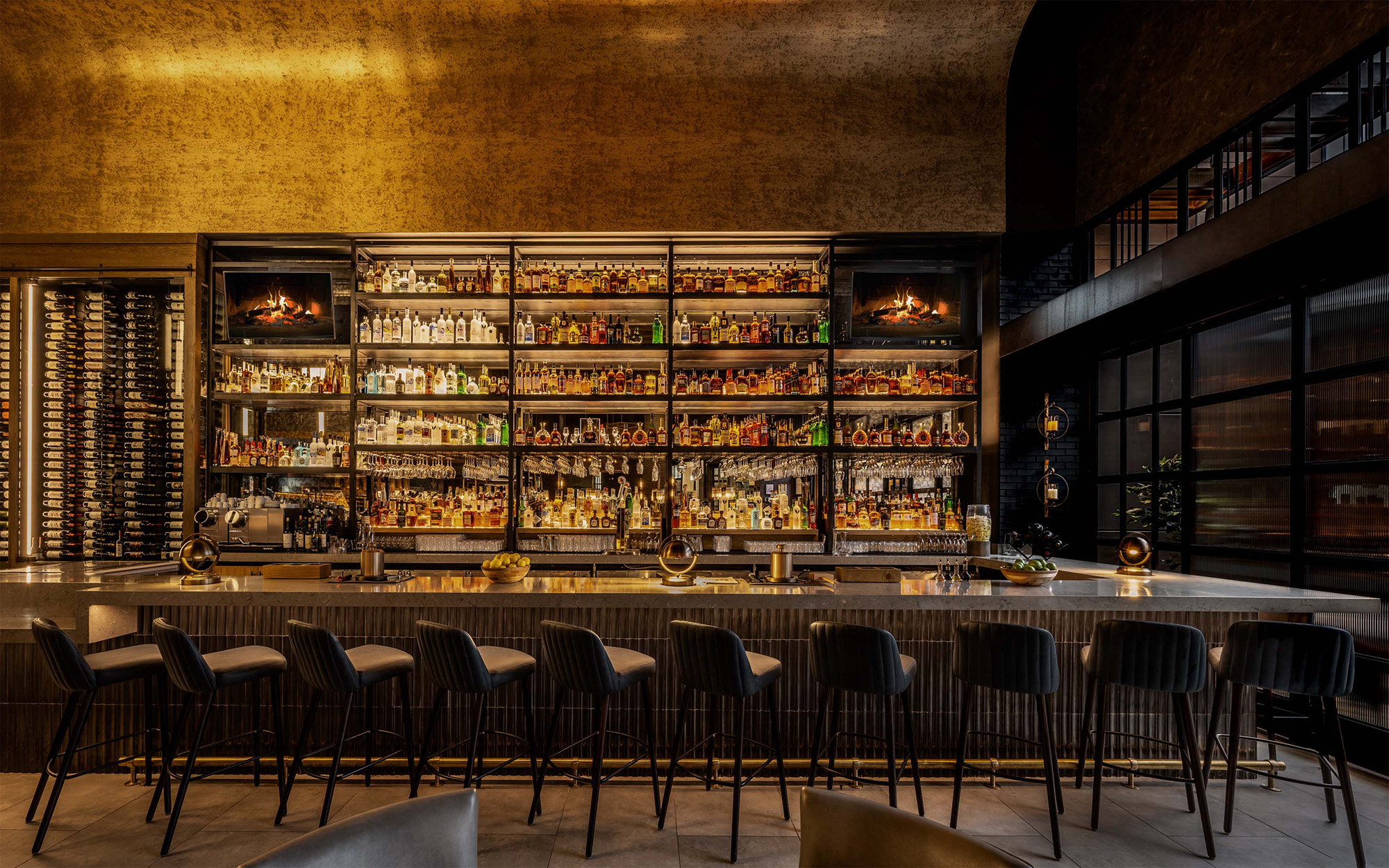
The science of slowing time (and increasing spend)
Consider music alone.
- The design of music — not just its presence — significantly affects customer reactions. (ScienceDirect)
- Slow tempo music can increase time spent in restaurants. (MDPI)
- Certain music styles can increase dwell time and average spend in bar environments. (ScienceDirect)
In other words: Soundtracks can shape revenue curves.
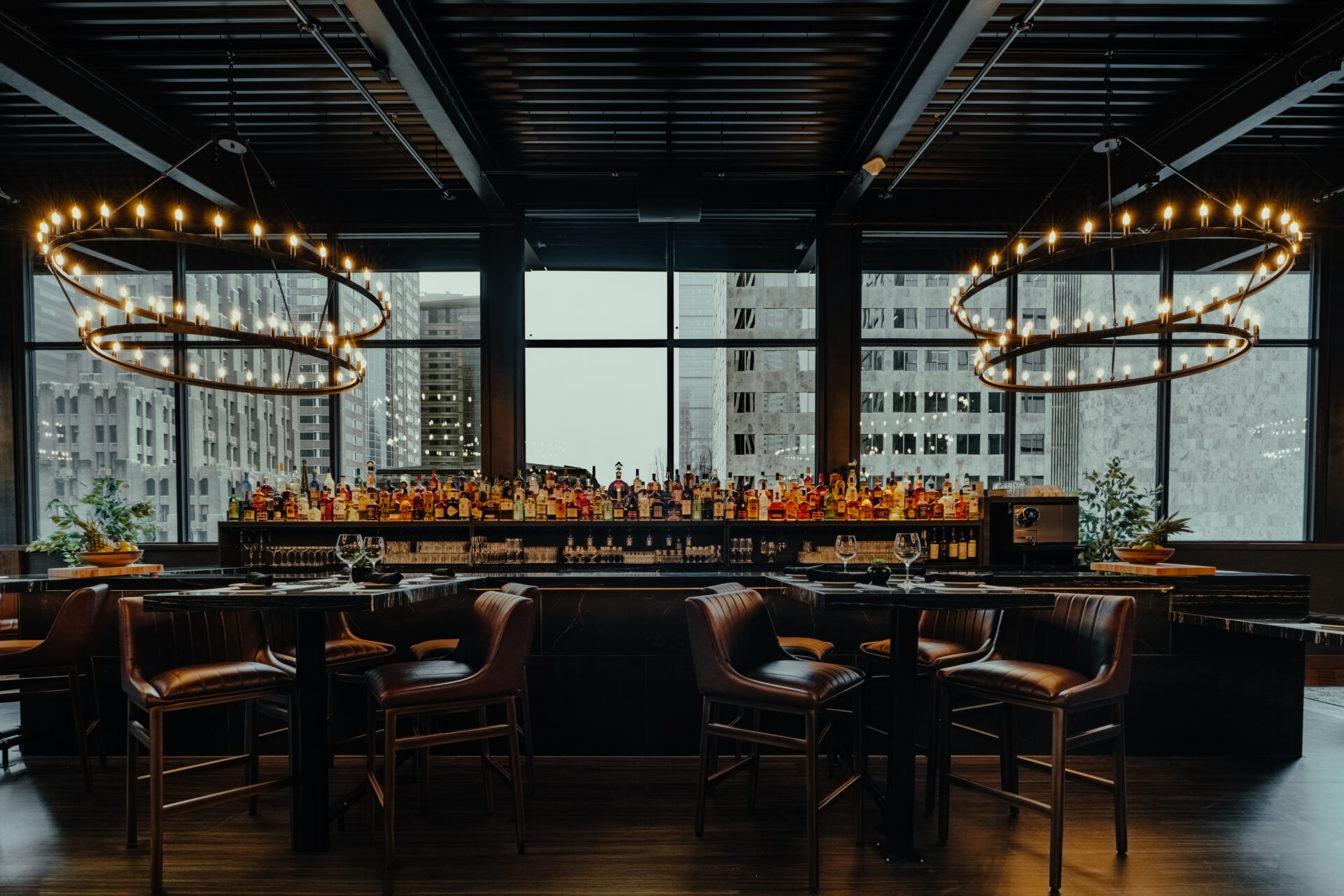
Lighting is just as powerful.
That’s not ambience.
That’s neurology.
Guests don’t measure wait time. They feel it.
Operators obsess over queue minutes. Guests don’t.
They experience emotional time.
Well-designed atmospherics can regulate that perception lowering stress, softening impatience, and reframing delay as anticipation. As you rightly noted in your draft, adjusting lighting or music in response to busyness can literally slow guests’ sense of urgency.
That’s not theatre.
That’s psychology.
The uncomfortable truth for operators
Most venues today are:
Tech-heavy
Atmosphere-light
Yet data shows ambience drives real commercial outcomes:
- 70% of diners say atmosphere influences their experience. (Restaurants Guide)
- 80% return to venues with appealing décor. (Restaurants Guide)
- Ambience-led venues can increase revenue by up to 20%. (Restaurants Guide)
Technology can optimise a transaction.
Atmospherics optimise a memory.
And guests don’t share transactions.
They share memories’ are brand strategy made physical
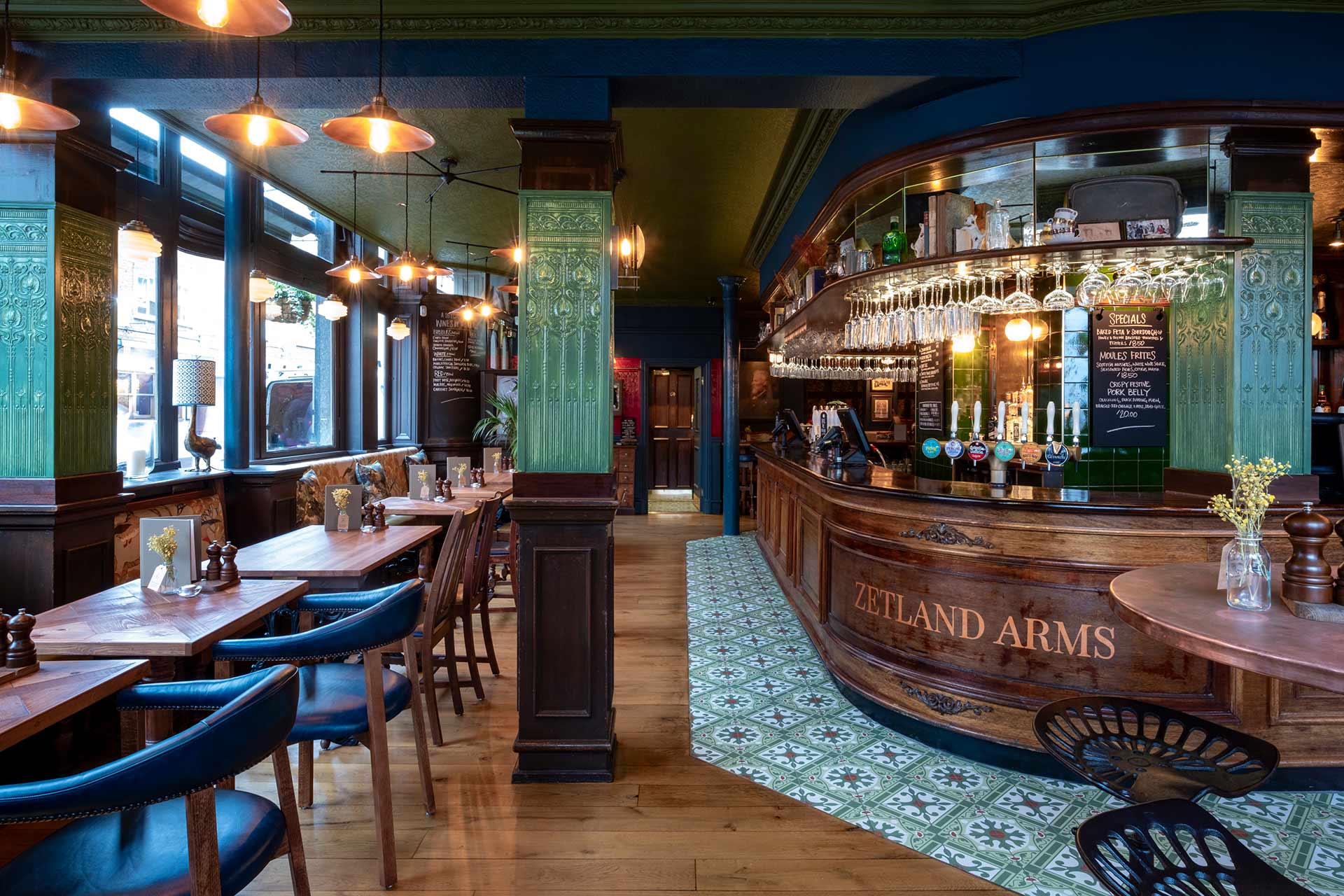
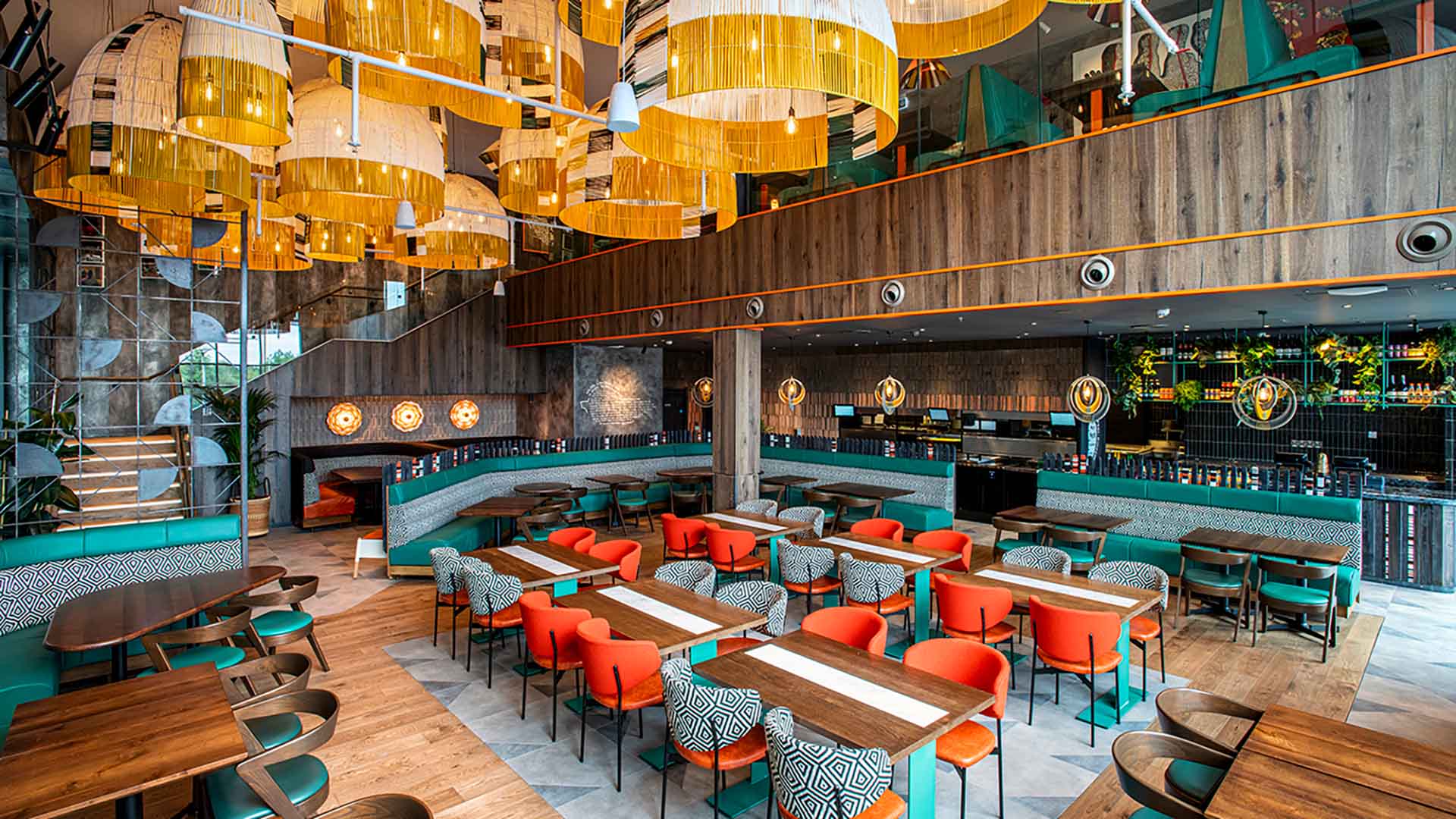
For hospitality brands, atmosphere is the most tangible expression of positioning. It’s where strategy stops being a slide deck and starts being felt.
Music = tone of voice
Lighting = pacing
Layout = narrative structure
Materials = brand personality
Design these deliberately, and you’re not decorating a venue.
You’re directing an experience.

The brands that win understand this
Average brands ask: “How do we speed up service?”
Great brands ask: “How do we shape perception?”
Because if the experience feels considered, guests forgive operational friction. If it feels accidental, they won’t forgive anything. The real question for operators
Are your atmospherics intentional — or incidental?
Because the difference isn’t visual.
It’s commercial.
If you’re curious about how your environment could work harder for your brand and guests, I’m always open to a conversation contact me on [email protected]